


Read first, book second
Commercial appliance
guides,
read first.
A commercial appliance repair guide is only useful if it answers the question you actually have, so these are split by what you are trying to find out — is this worth paying for, what is that noise, what can I check myself — rather than by which part of the appliance it concerns.
Mon–Sat, 8am–8pm
- 18 guides
- 6 sections
- No booking needed
Book a visit
Three short steps, about a minute.
or call (844) 571-4566
Loading appointment form…
The appointment form couldn’t load. Please try again.
Work out what
you are dealing with.
Split by what you are trying to find out rather than by what part of the appliance it concerns.
All 18 guides
Common problems

Troubleshooting

Maintenance and prevention
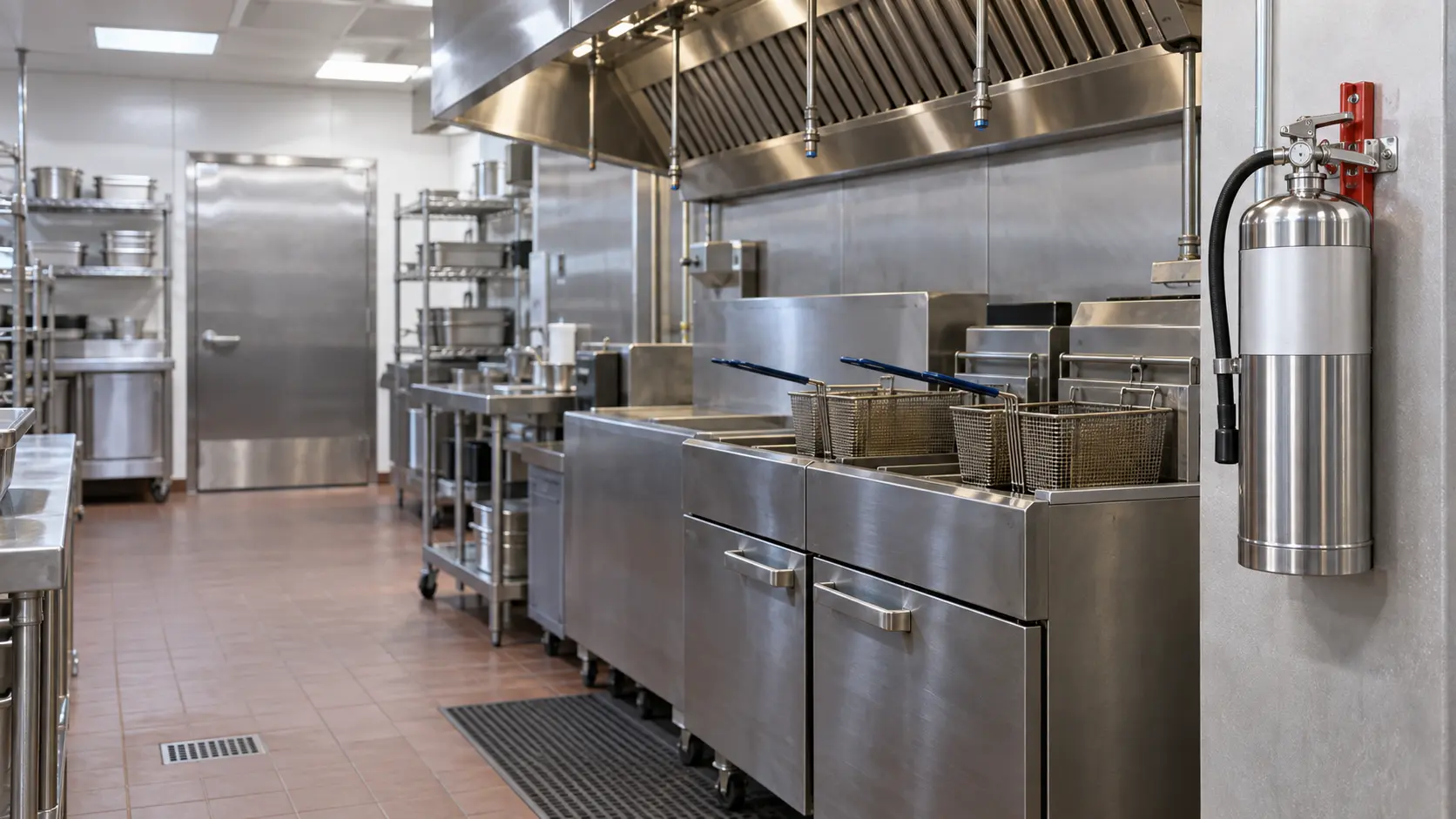
Gas, fire and food safety
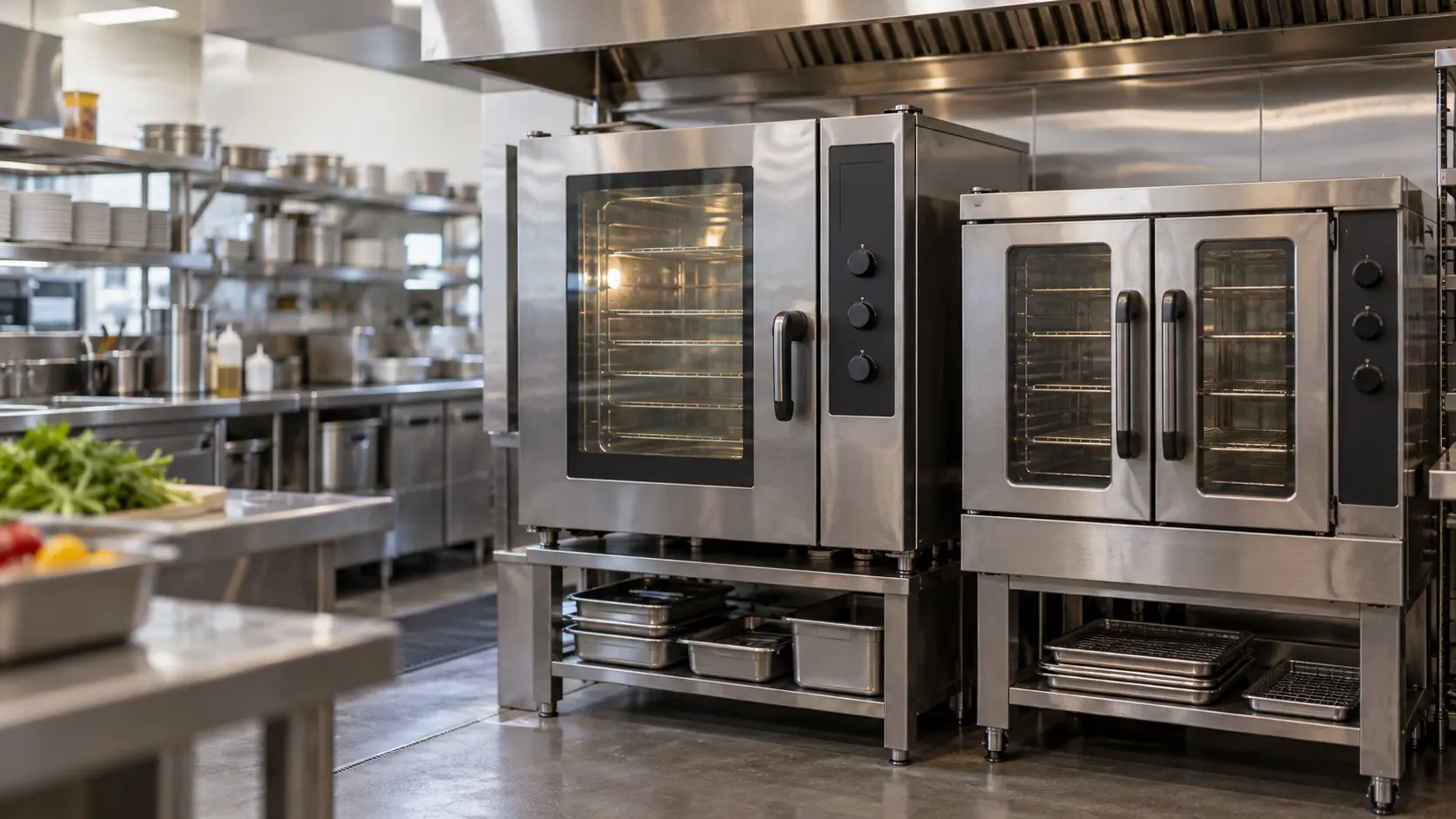
Choosing and comparing
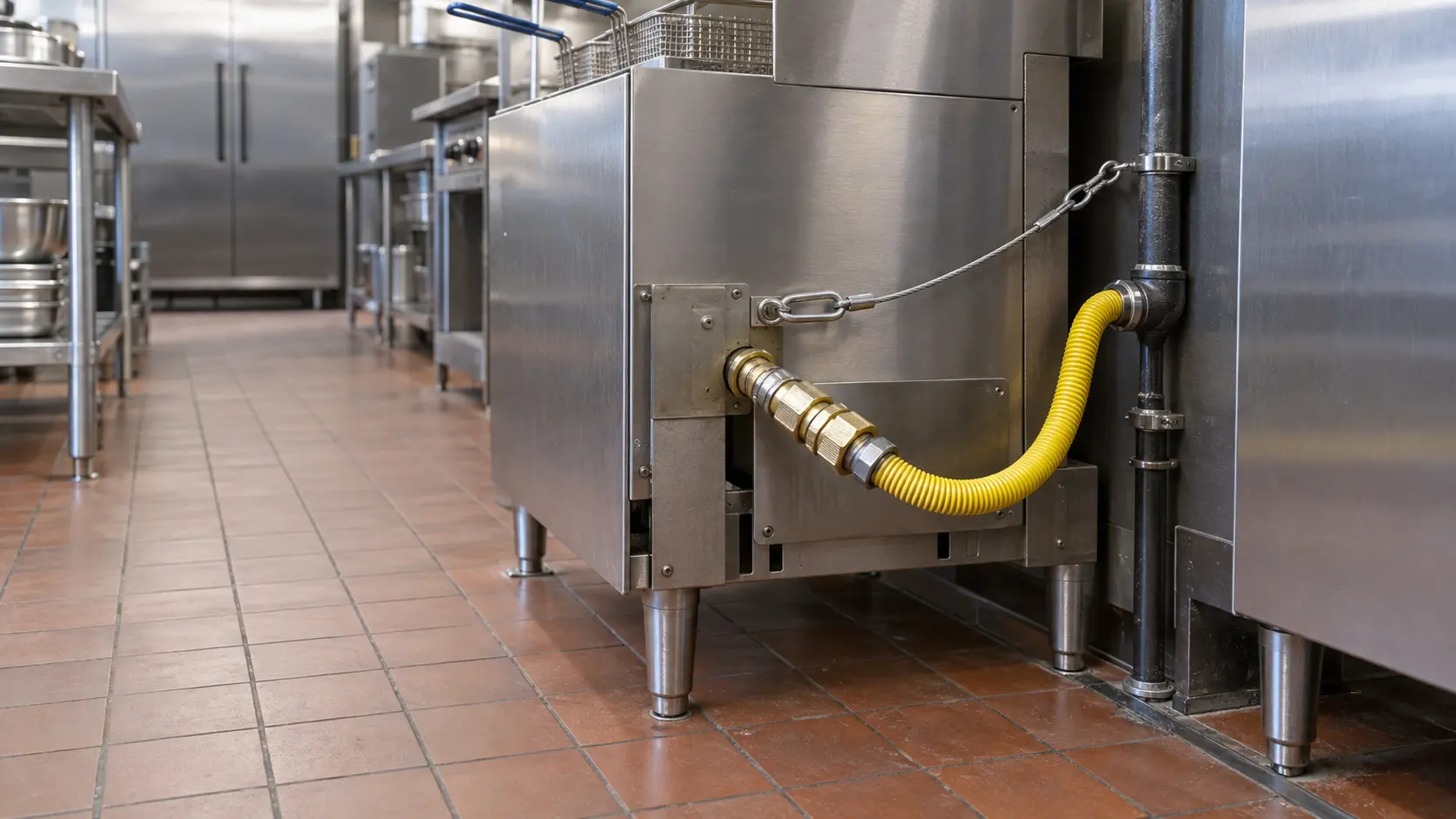
Installation and setup
The work itself
Every guide here ends in the same place: what a technician actually does about it, in the order it gets done.
10 kinds of workCheapest cause firstWhat a visit costs See what we doNeed a sense of what the repair might cost? That has a page of its own, because no honest figure exists until someone has watched the unit run under load — commercial appliance repair cost.
Not sure
where to start?
A handful of questions show up in almost every commercial booking. The four guides below are for the manager standing at a line that smells of gas, a walk-in whose log is climbing, a kitchen that keeps losing equipment in the middle of service, or a unit that has been repaired once too often, and more than one of them ends without a service call.
Or start from the symptomGas in the air on the lineGas odor along a restaurant cooking line: who closes the main, who clears the room, who calls
Why hoods and fryer smells hide a leak, the moves Vulcan, Frymaster and Southbend print, switches and pilots while gas hangs in the air, the sheet makers want on the wall, and the relight.
The box is above safe holdingWhen the walk-in cooler runs warm: the doorway, an iced coil and a condensing unit short of air
Probe the product before the air, move anything above 41°F and log it. Then the closers and strip curtain federal rules require, ice on the evaporator, a felted outdoor coil, and hot food shelved too soon.
Fewer breakdowns mid-shiftA Preventive Maintenance Plan That Pays: Daily, Monthly and Yearly Tasks From the Manuals
Why the plan belongs on paper, a schedule built from the makers' own intervals for fryers, combis, cold cabinets, dish machines and tumblers, who does which task, and logs that show where the next repair is coming from.
Fix it or budget a new unitRepair or Replace Commercial Equipment: The Failed Part, the Hours Lost and What a New Unit Asks
Which failures are routine and which point to a new unit, how to weigh downtime and lead times, the EPA limits on cooling gas in new cold storage, utility savings and the paperwork to check first.
When reading
is not enough.
If the checks in a guide did not settle it, a technician picks up from there. The visit, stop by stop.
What repairs cost- 01Safety and supply before anything else
- 02The cause, and what it costs
- 03Parts that ride along
- 04Proved under load before we leave
When there is
no time to read.
These five put the crew, the guests or the product in the building at risk, and they mean the unit stays off, or the food moves, until we arrive: a gas smell on the cooking line, a fryer or grease fire, a walk-in or reach-in above 41°F with food inside, water on the floor near cords or a panel, and a hot electrical or burning smell. Each page puts the causes in the order worth checking, and says when to stop and book.
All 17 problems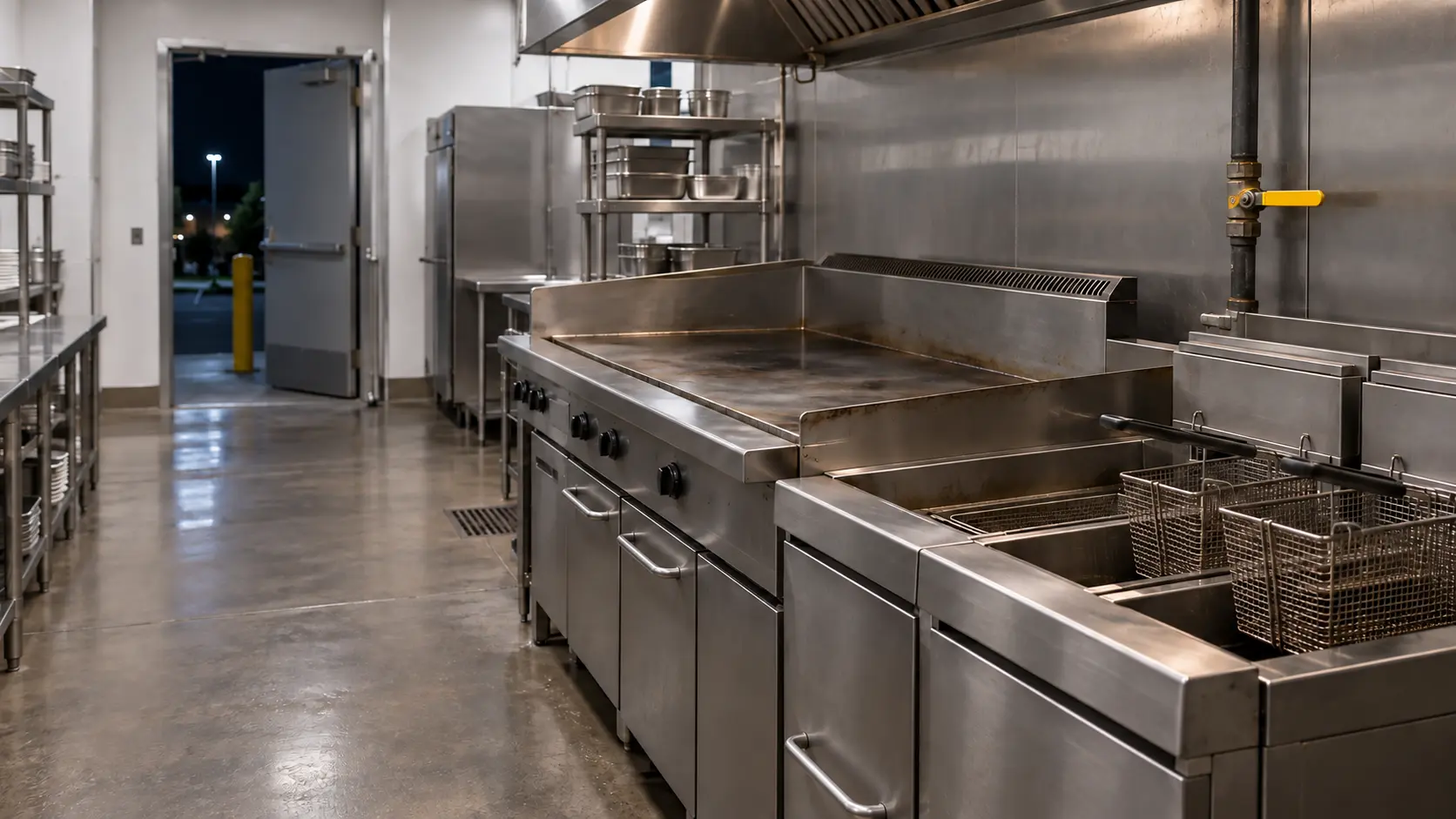
Commercial Kitchen Gas Smell Along the Cooking Line: Clear the Room First
6 causes, cheapest first

Commercial Fryer Fire or Grease Flare Under the Hood
6 causes, cheapest first
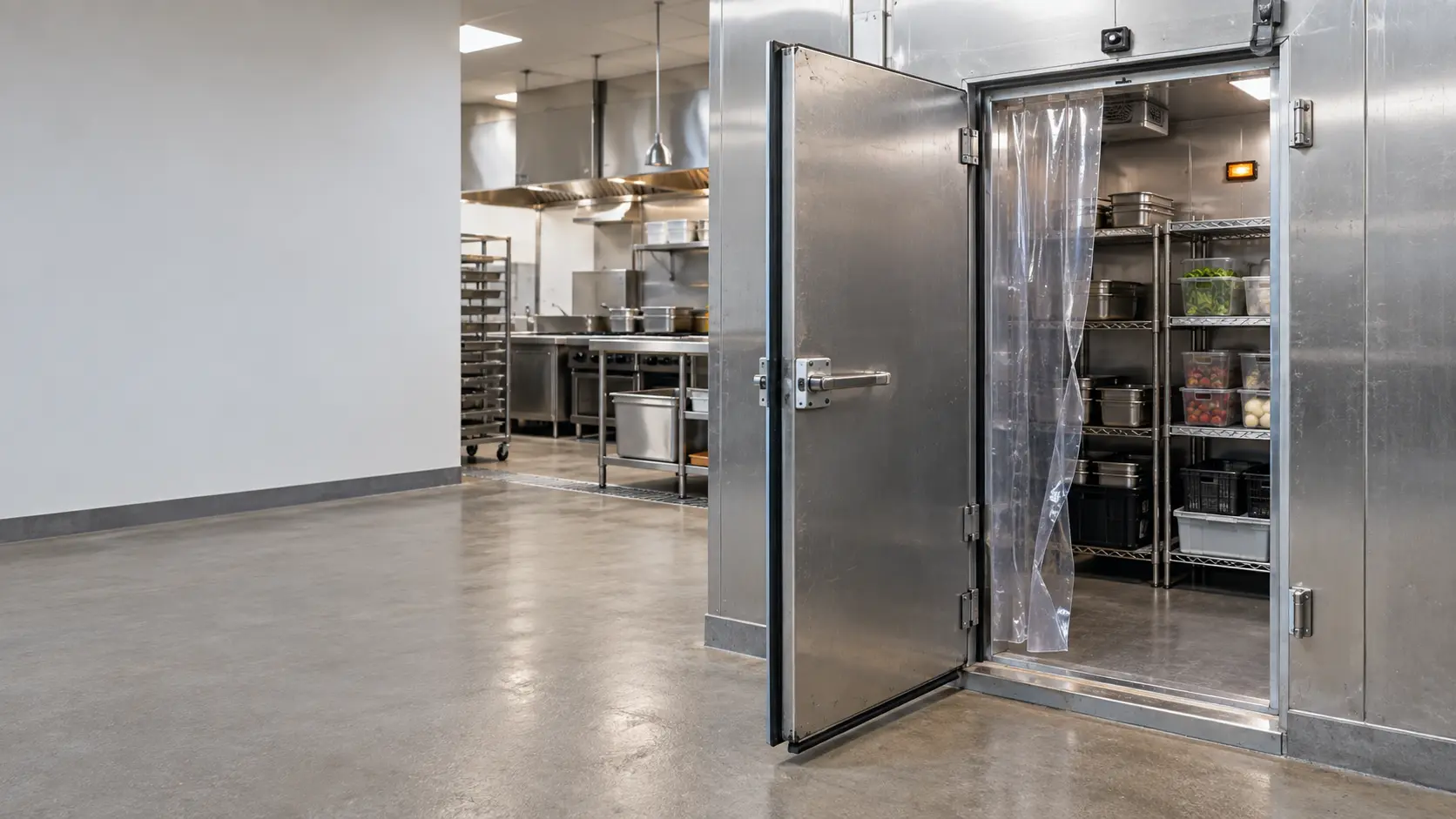
Walk-In Cooler Warm Above 41°F With Food Inside
6 causes, cheapest first
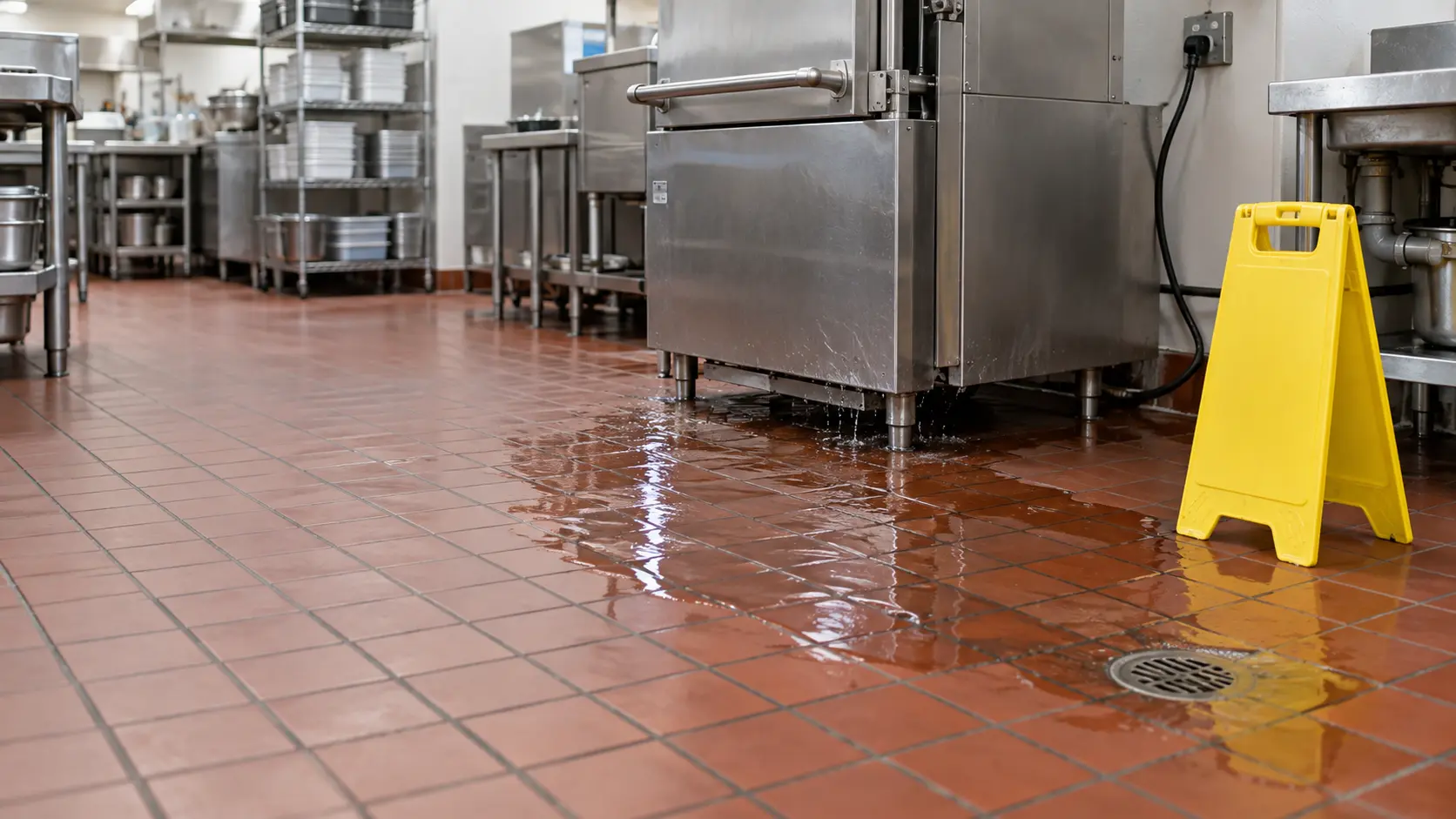
Water on the Commercial Kitchen Floor Near Equipment and Outlets
6 causes, cheapest first
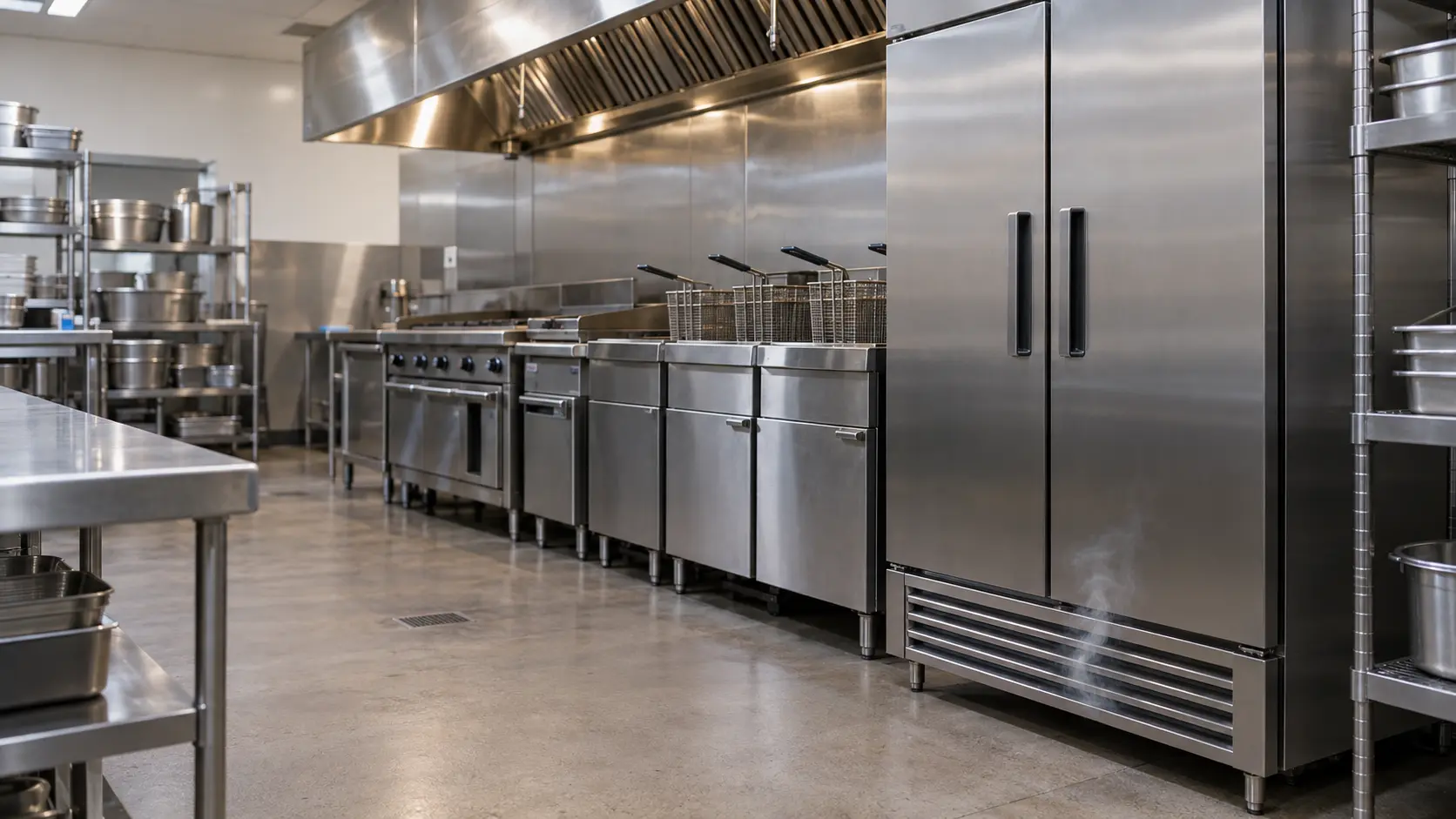
Restaurant Equipment Burning Smell: Scorched Oil, Hot Wiring or Lint
6 causes, cheapest first

Questions about
the guides.
Can a commercial guide save us a service call?
Are the guides written for one maker?
Guide or problem page: where should a manager start?
Where do the facts in the commercial guides come from?
Back to your everyday
Let’s get your commercial appliance working again.
Three short steps online, or one call. Tell us what you are seeing and pick a window that works.