
Gas or electric, repair or replace, lease or buy
Choosing and comparing
guides.
Gas or electric on the line, a combi or a convection oven, a door-type or a conveyor dish machine, leasing or buying, and when an aging commercial unit earns a repair and when it belongs on the replacement budget.
Mon–Sat, 8am–8pm
- Three guides
- Read before you book
- Says where to stop
Book a visit
Three short steps, about a minute.
or call (844) 571-4566
Loading appointment form…
The appointment form couldn’t load. Please try again.
Choosing and comparing,
guide by guide.
This section is for the owner, general manager or kitchen manager who has to sign off on money: a repair estimate on an aging unit, a quote for a new oven, or an offer of a yearly service agreement. Each guide sets two options side by side and follows both forward into the years of running, cleaning and repairing that come after the purchase order.
All 18 guides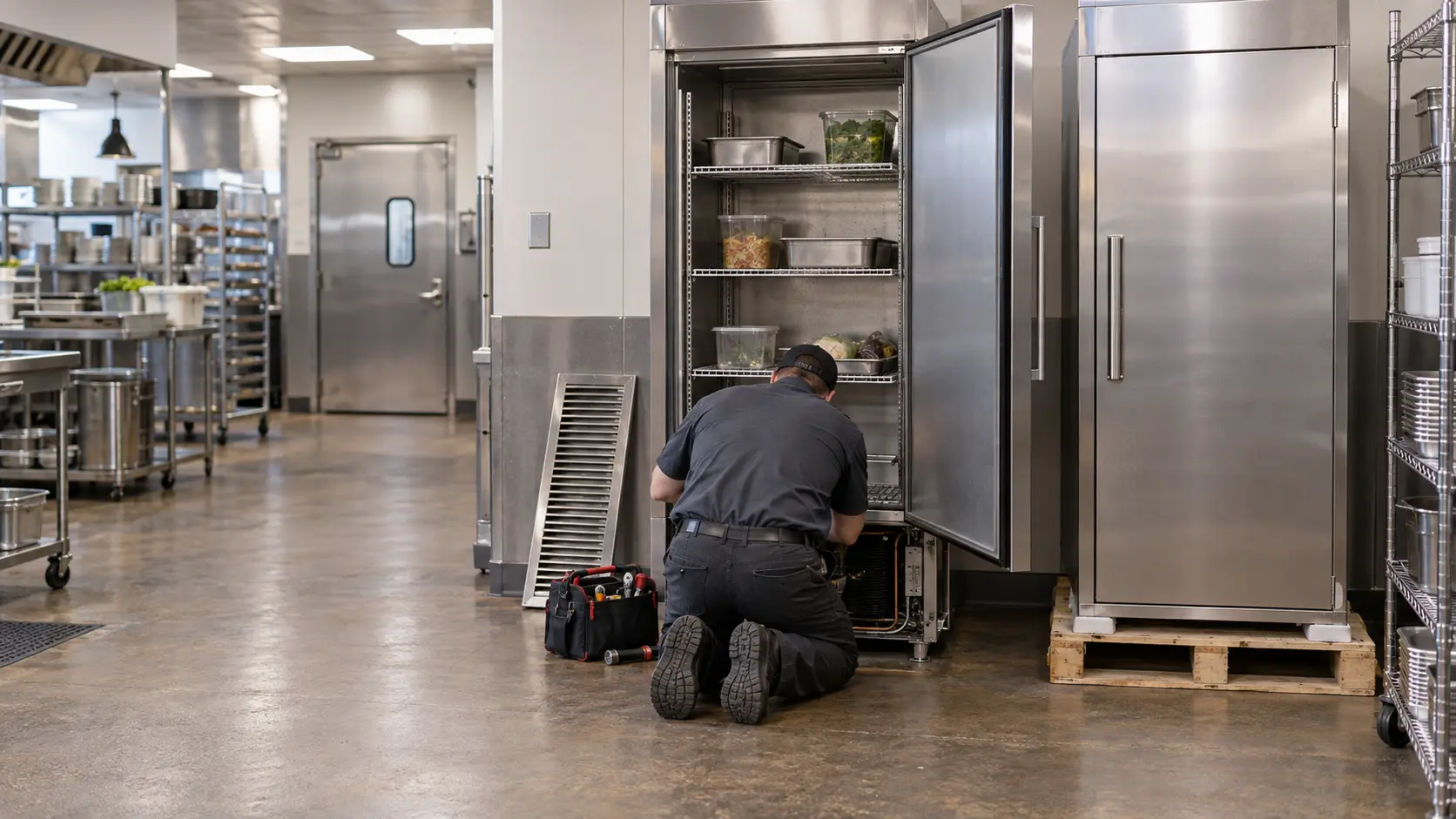
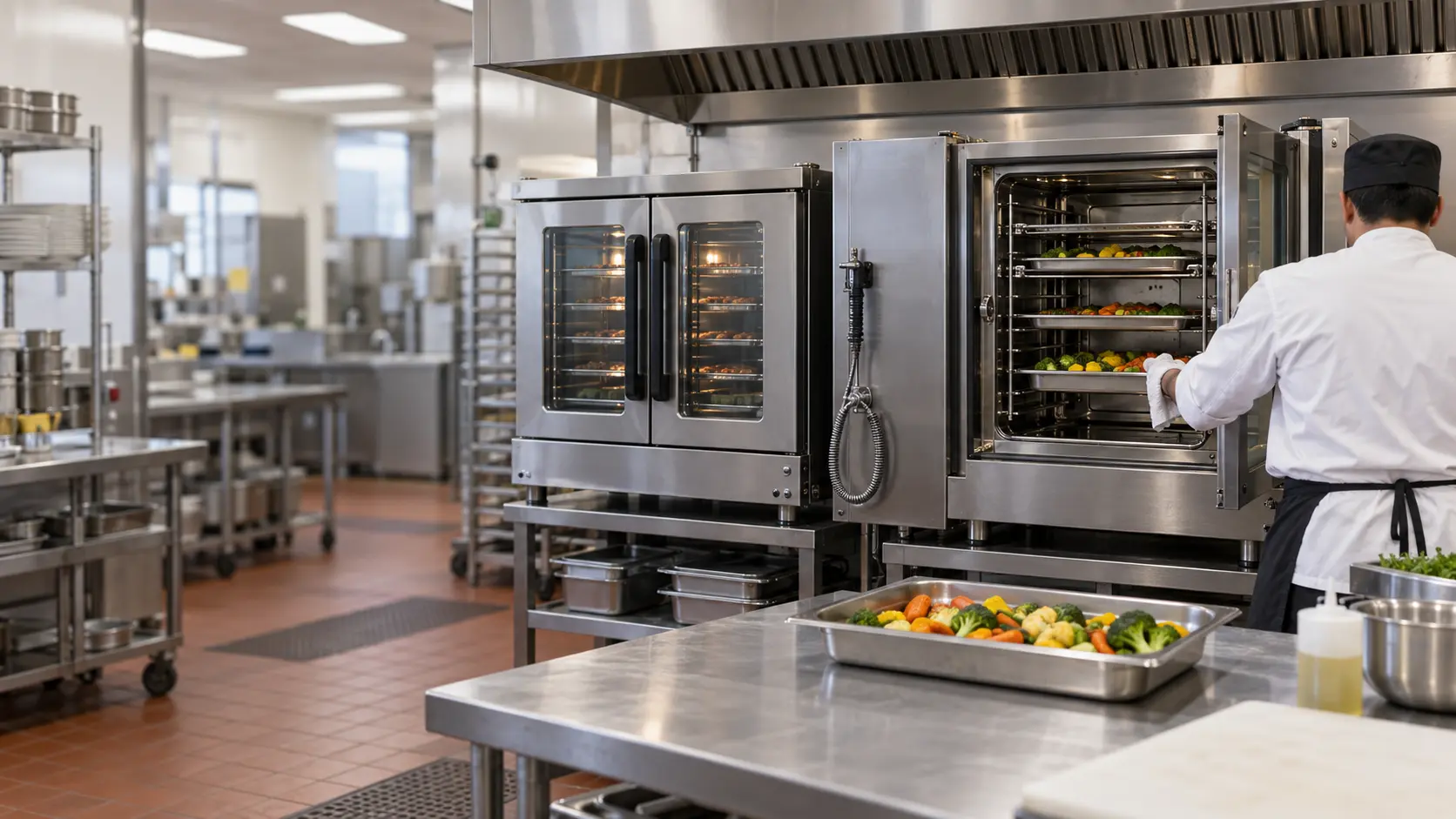
Gas or electric, repair or replace, lease or buy.
The comparisons are between kinds of equipment and ways of looking after it, not between brands. A maker is named only where its own manual or a federal page supplies a figure worth checking, such as a water hardness limit, a descaling interval, a yearly inspection or a limit on the cooling gas in new cold storage, and that source is printed under the section that uses it.
We write from the service side. That means spending less time on features and more on what a choice asks of the building and the crew: the gas, circuit, water line and drain at the spot, the hood above it, the daily cleaning that keeps it running, and which parts wear first when a busy kitchen or laundry leans on it every day.
Your own operation still decides. Menu, volume, opening hours, the second unit that can carry the load during a repair and the people who will run the closing checklist matter more than any spec sheet, and a walk-through of the space before an order is placed is cheaper than living for ten years with the wrong unit.
Not sure where to start?The short answerRepair or Replace Commercial Equipment: The Failed Part, the Hours Lost and What a New Unit Asks
Whether to repair or replace commercial equipment depends on which part failed, what the downtime costs per shift, and what a new unit would ask of the building.
The short answerA Service Contract or Call-by-Call Repair: Matching Coverage to the Equipment You Run
A commercial equipment service contract pays off where the makers already call for yearly inspections, where a failure stops service, and where scale, grease or lint build up on a schedule.
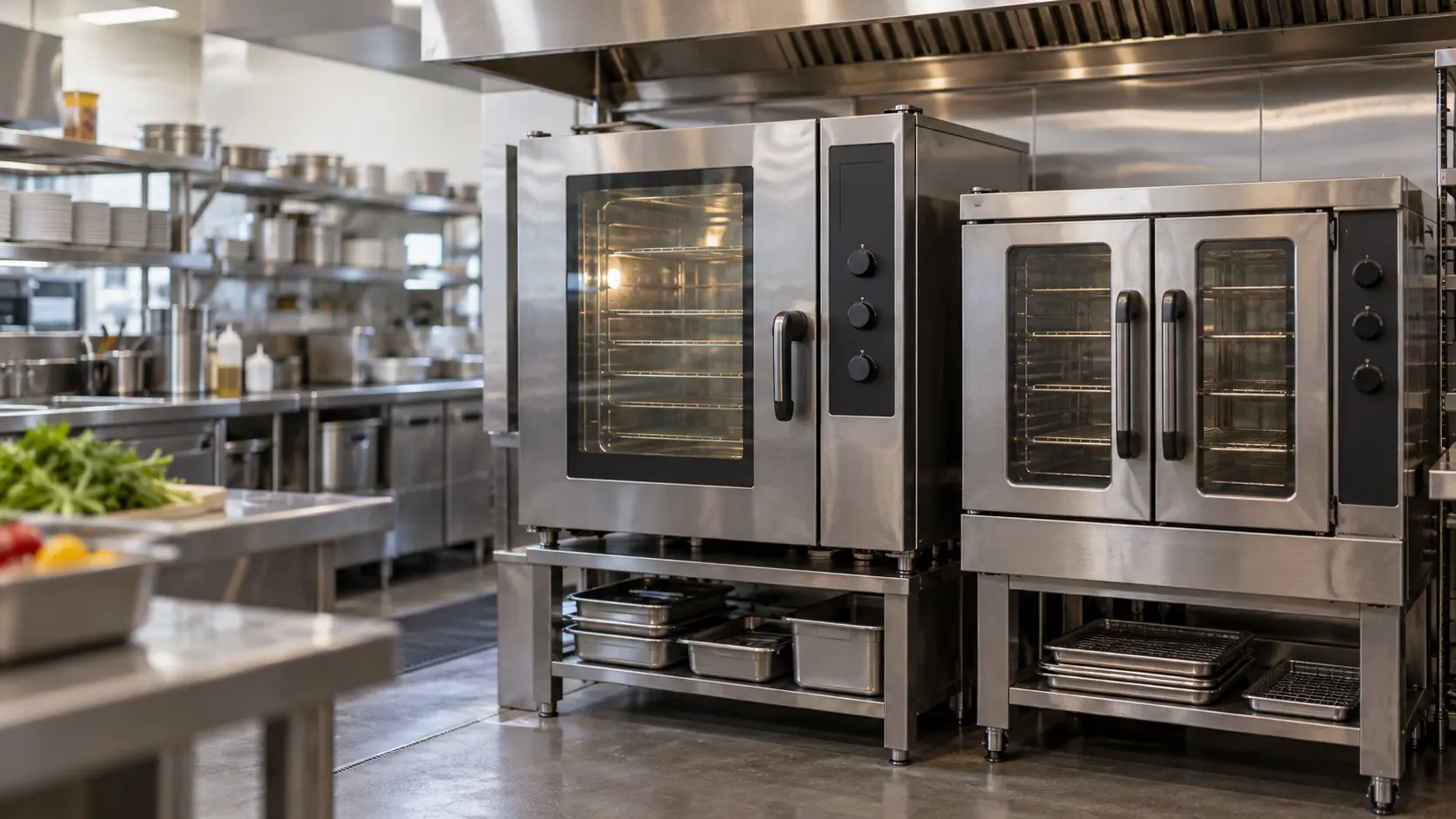
The short answerCombi Oven or Convection Oven: Steam, Water Lines and the Upkeep That Comes With Each
Choosing a combi oven or convection oven comes down to whether the menu needs controlled moisture.
When reading
is not enough.
If the checks in these guides did not settle it, the visit picks up from there, stop by stop.
What repairs cost- 01Safety and supply before anything else
- 02The cause, and what it costs
- 03Parts that ride along
- 04Proved under load before we leave
The problems
these answer.
Each has a page of its own, with the causes in the order worth checking.
All 17 problems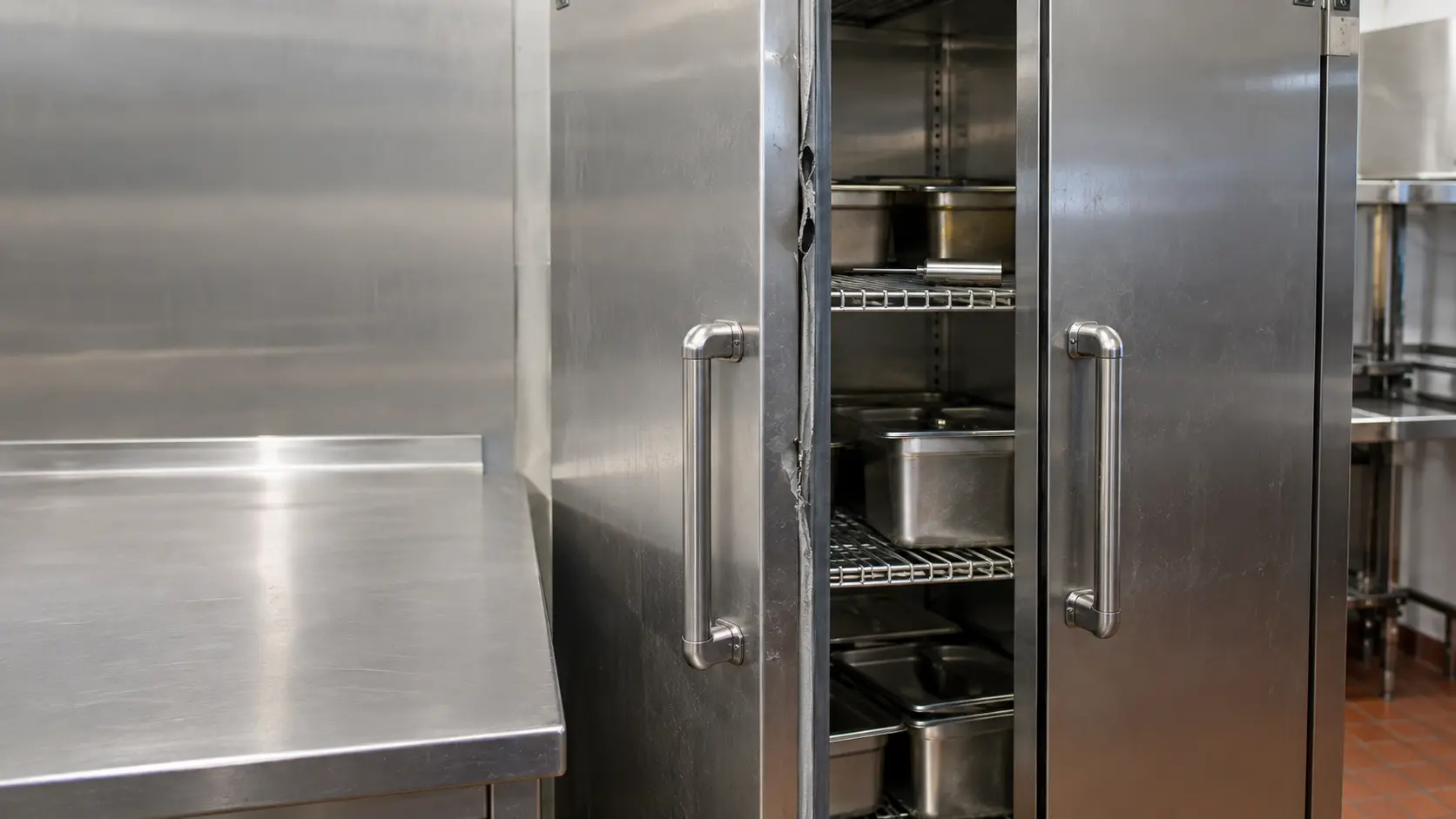
Reach-In Cooler Not Holding Temperature Through a Shift
6 causes, cheapest first
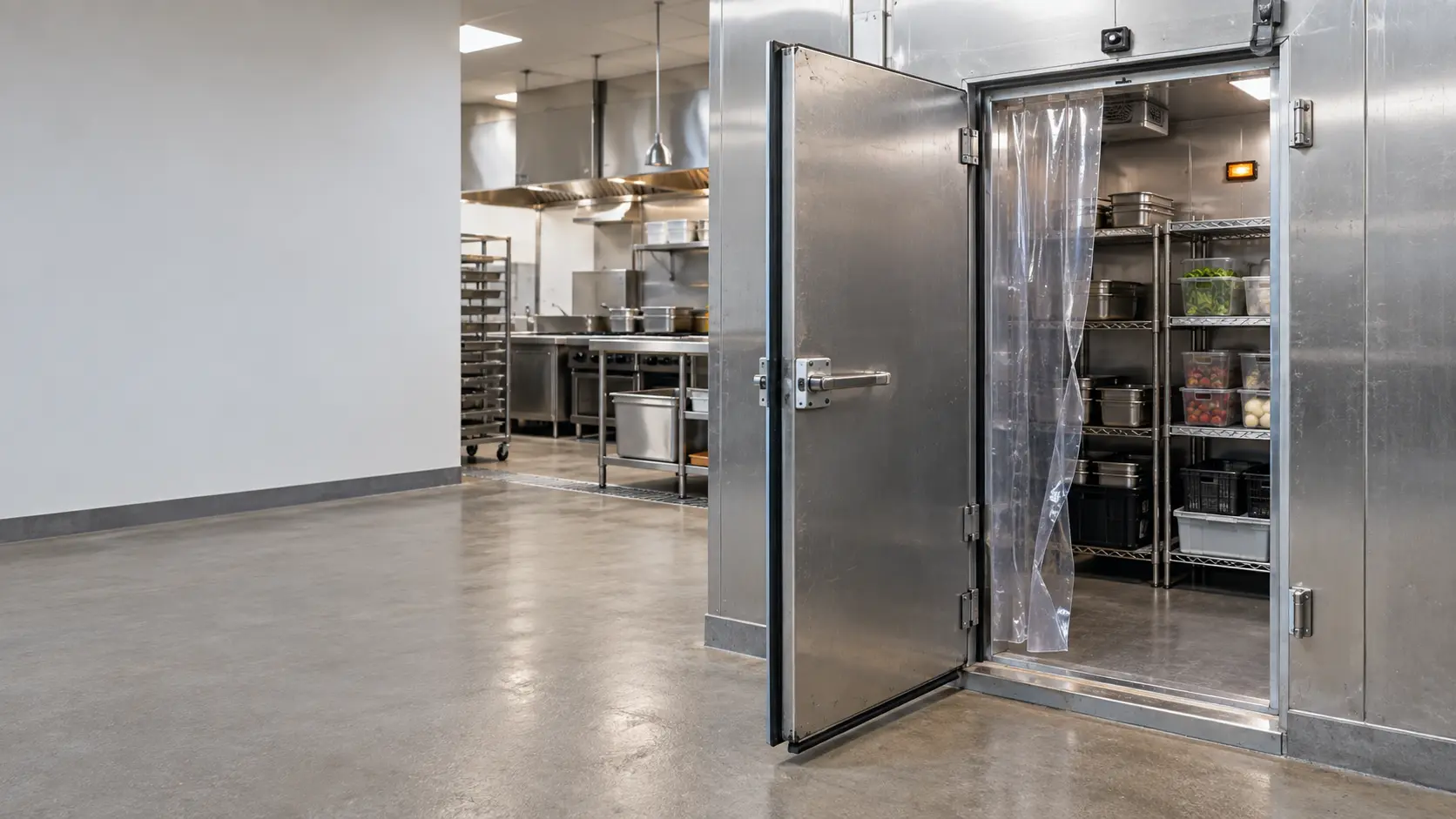
Walk-In Cooler Warm Above 41°F With Food Inside
6 causes, cheapest first
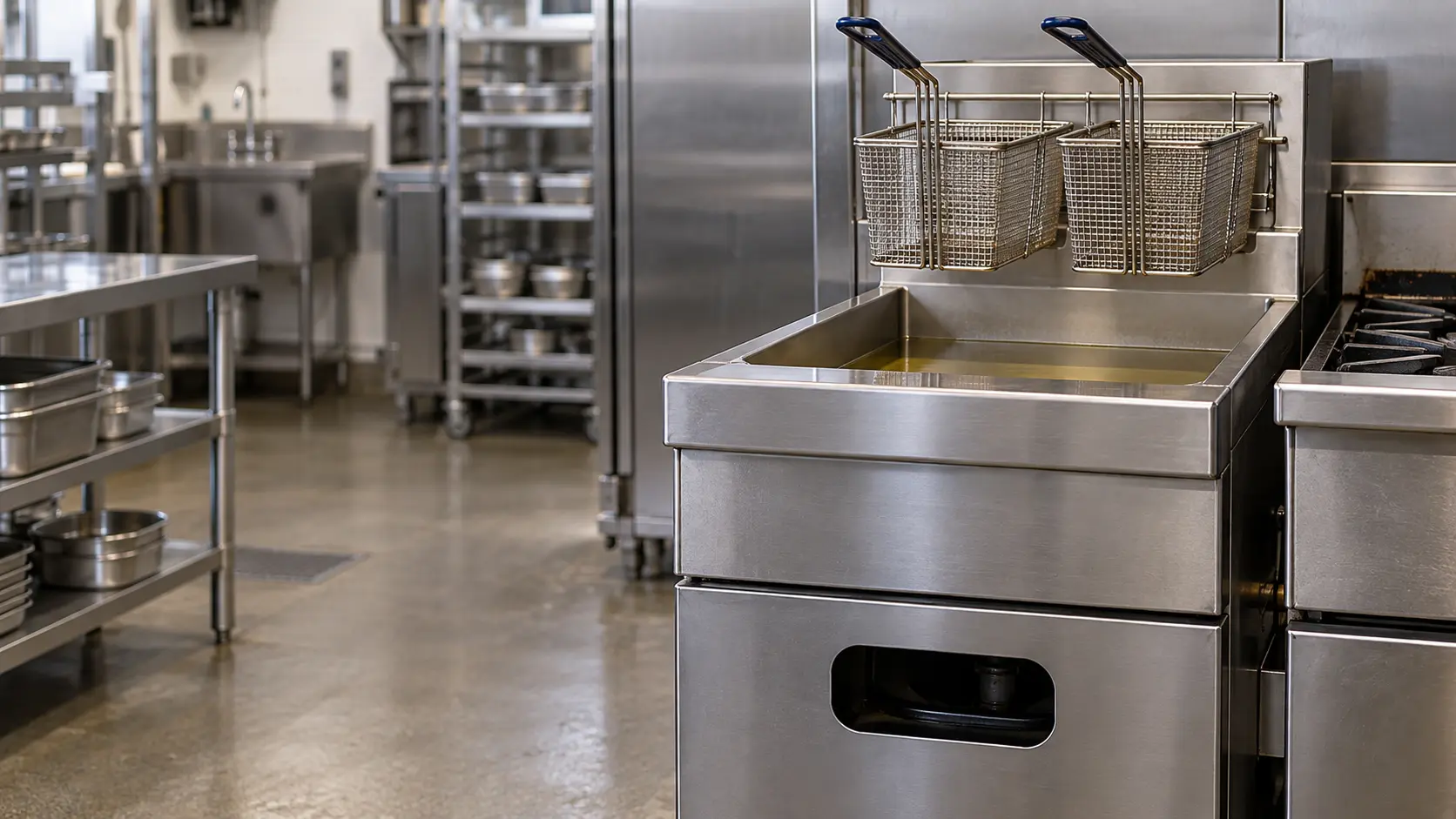
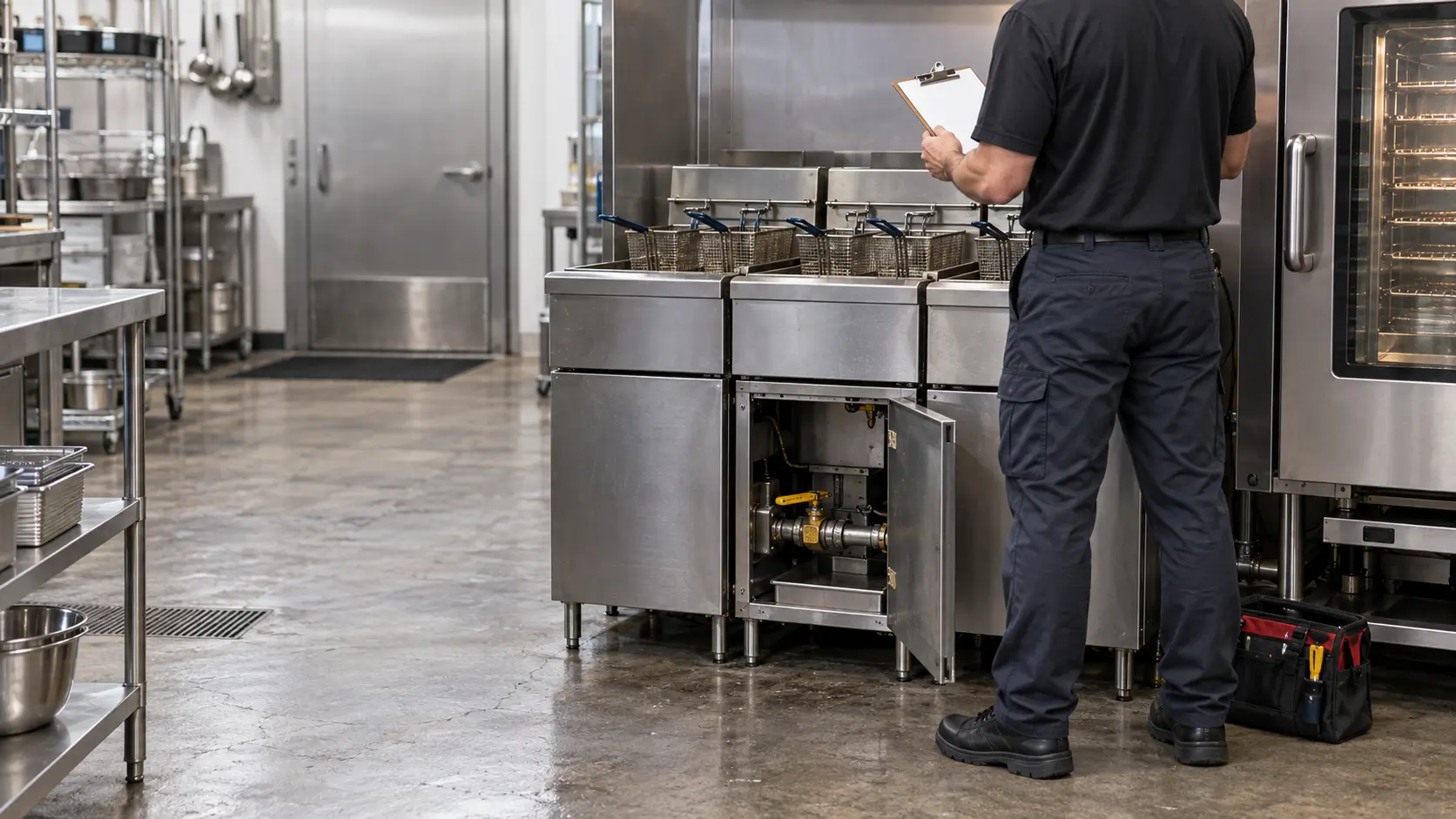
Commercial Fryer Not Heating or Slow to Recover Between Baskets
6 causes, cheapest first
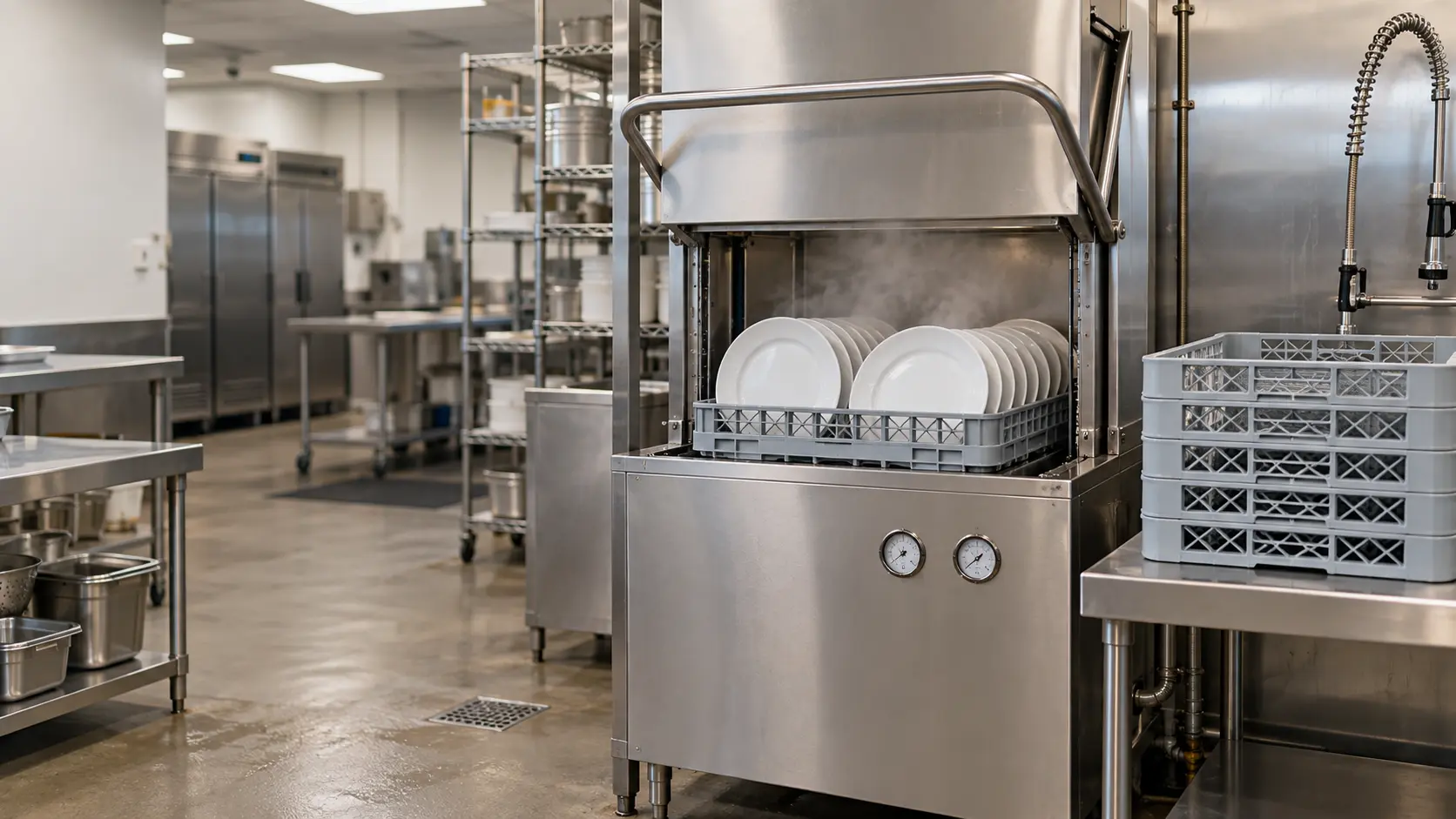
Dish Machine Not Reaching Temperature on the Wash or Final Rinse
6 causes, cheapest first

Questions about
choosing and comparing.
Do these guides recommend particular makers?
Can a technician look at our current equipment before we decide to buy new?
Do the guides cover leasing?
Is this section useful for a laundromat or an on-premise laundry?
The other
sections.
Split by what you are trying to find out rather than by which part of the appliance it concerns.
All guides
Common problems

Troubleshooting

Maintenance and prevention
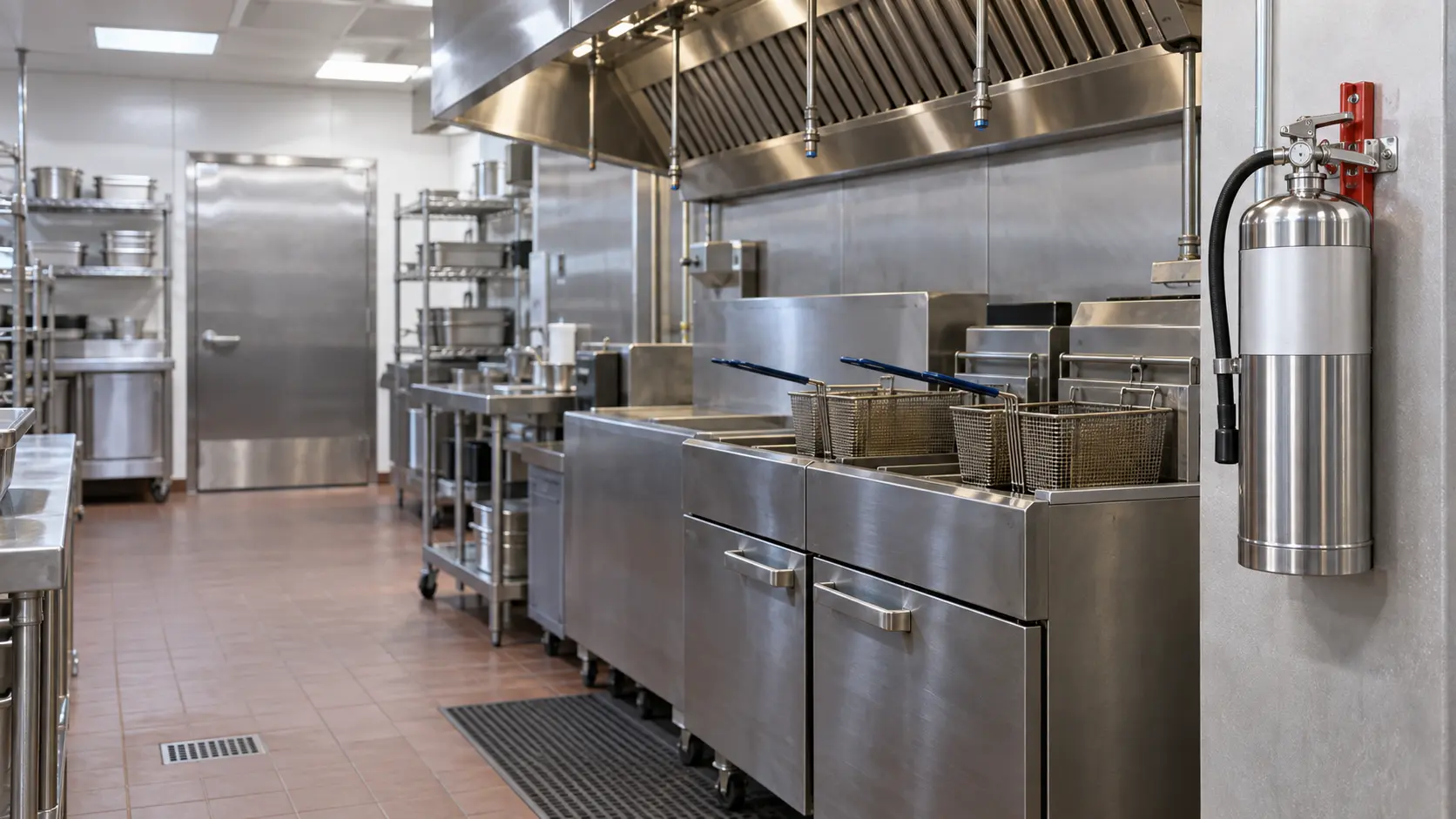
Gas, fire and food safety
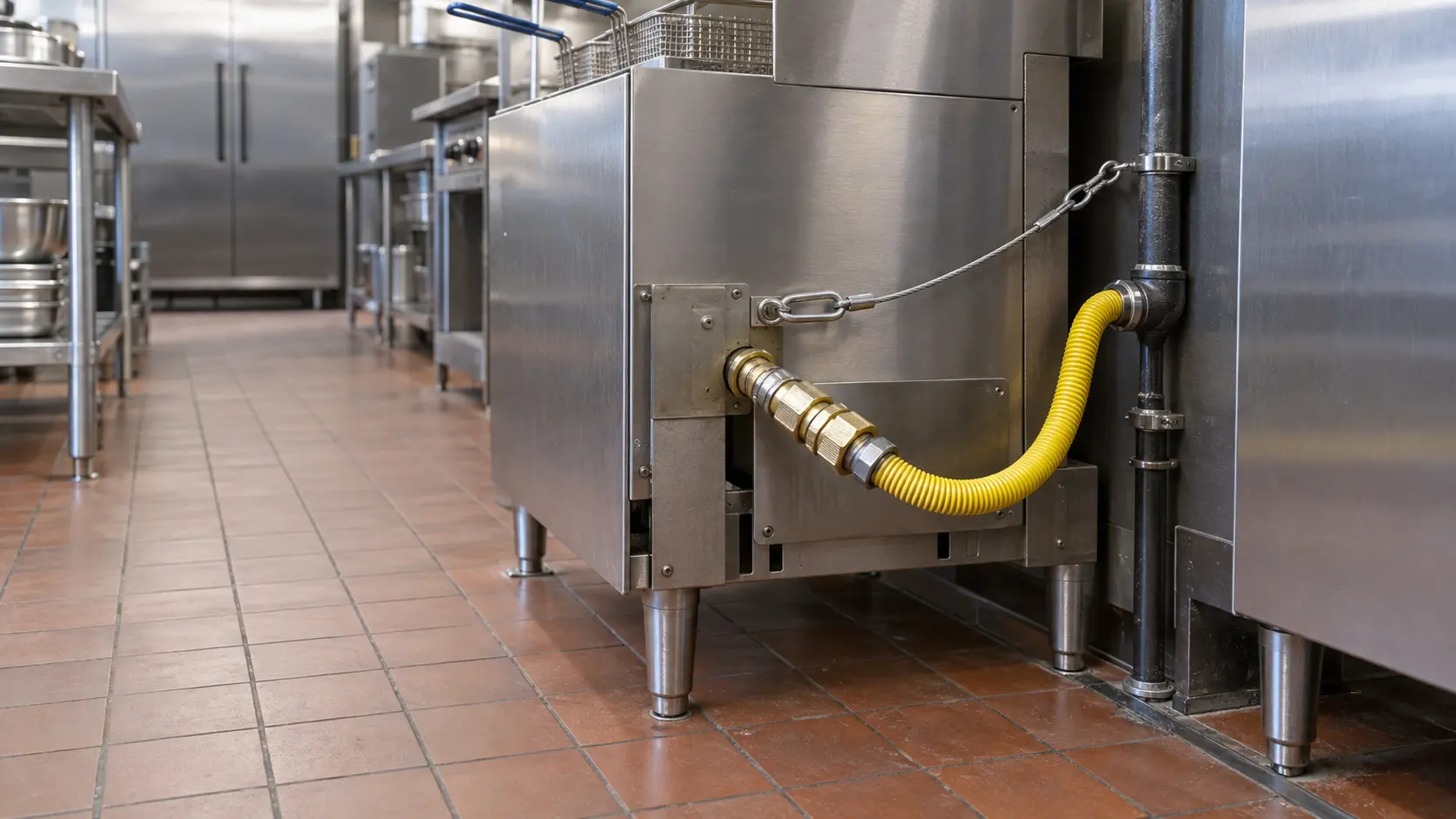
Installation and setup
Start from your question
The four questions most visits start with, each with the guide that answers it.
18 guidesWhere to start Where to startBack to your everyday
Let’s get your commercial appliance working again.
Three short steps online, or one call. Tell us what you are seeing and pick a window that works.