

A maintenance plan that keeps the line running
Maintenance and prevention
guides.
The routines that keep commercial equipment off our schedule, from cleaning condenser coils and filtering fryer oil to deliming combis and boosters, checking gaskets and emptying lint screens.
Mon–Sat, 8am–8pm
- Three guides
- Read before you book
- Says where to stop
Book a visit
Three short steps, about a minute.
or call (844) 571-4566
Loading appointment form…
The appointment form couldn’t load. Please try again.
Maintenance and prevention,
guide by guide.
These guides turn the maintenance pages of the makers' manuals into routines a business can actually keep. They cover the three jobs that prevent the largest share of avoidable breakdowns in commercial kitchens: keeping condenser coils on cold cabinets clear, removing scale from steamers, combis and dish machines, and holding the whole building to one written plan with daily, monthly and yearly tasks.
All 18 guides
A maintenance plan that keeps the line running.
Every interval and every step comes from a maker's own published manual, and the source sits under the section that quotes it. Where makers disagree, such as monthly coil cleaning for one reach-in line and every 90 days for another, both are shown, because the right interval for your unit is the one printed for your model.
Each routine also marks where the crew's work ends. Brushing a coil behind a front grille, changing a fryer filter pad, cleaning a lint screen or starting a delime cycle from the control panel are crew tasks. Gas pressure, burners, cooling gas, live wiring and anything behind a guard with power present are a technician's, and the guides say so at the point where it matters.
Read them when you open a new location, take over an existing one, or notice that the same unit keeps drifting warm, scaling up or throwing the same alarm. A few minutes of closing work, logged with a date and initials, is also the record that keeps the maker's coverage and the health inspector on your side.
Not sure where to start?The short answerA Preventive Maintenance Plan That Pays: Daily, Monthly and Yearly Tasks From the Manuals
Restaurant equipment preventive maintenance works when it is written down per unit, taken from each maker's manual, and split into daily, weekly, monthly and yearly tasks with a named person for each.
The short answerCleaning Condenser Coils on a Schedule: Reach-In Intervals, Grille Access and Greasy Fins
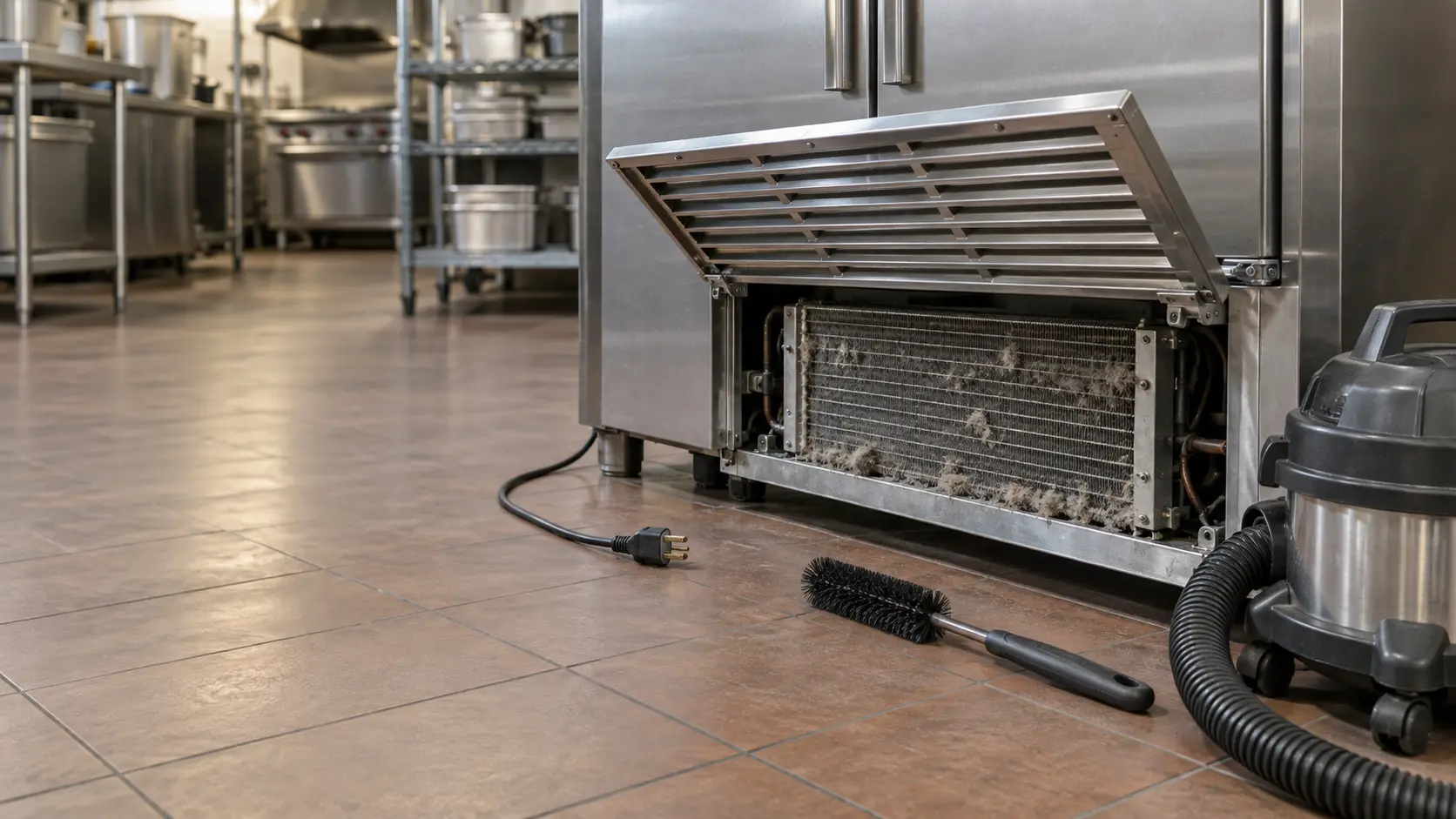
A condenser coil cleaning schedule for commercial cold cabinets starts with the maker's interval, monthly for Delfield reach-ins and at least every 90 days for Turbo Air's M3 line, and shortens it wherever grease or flour reaches the coil.
The short answerDeliming Steamers and Combi Ovens: Hard Water, Maker Intervals and a Descaling Cycle Step by Step
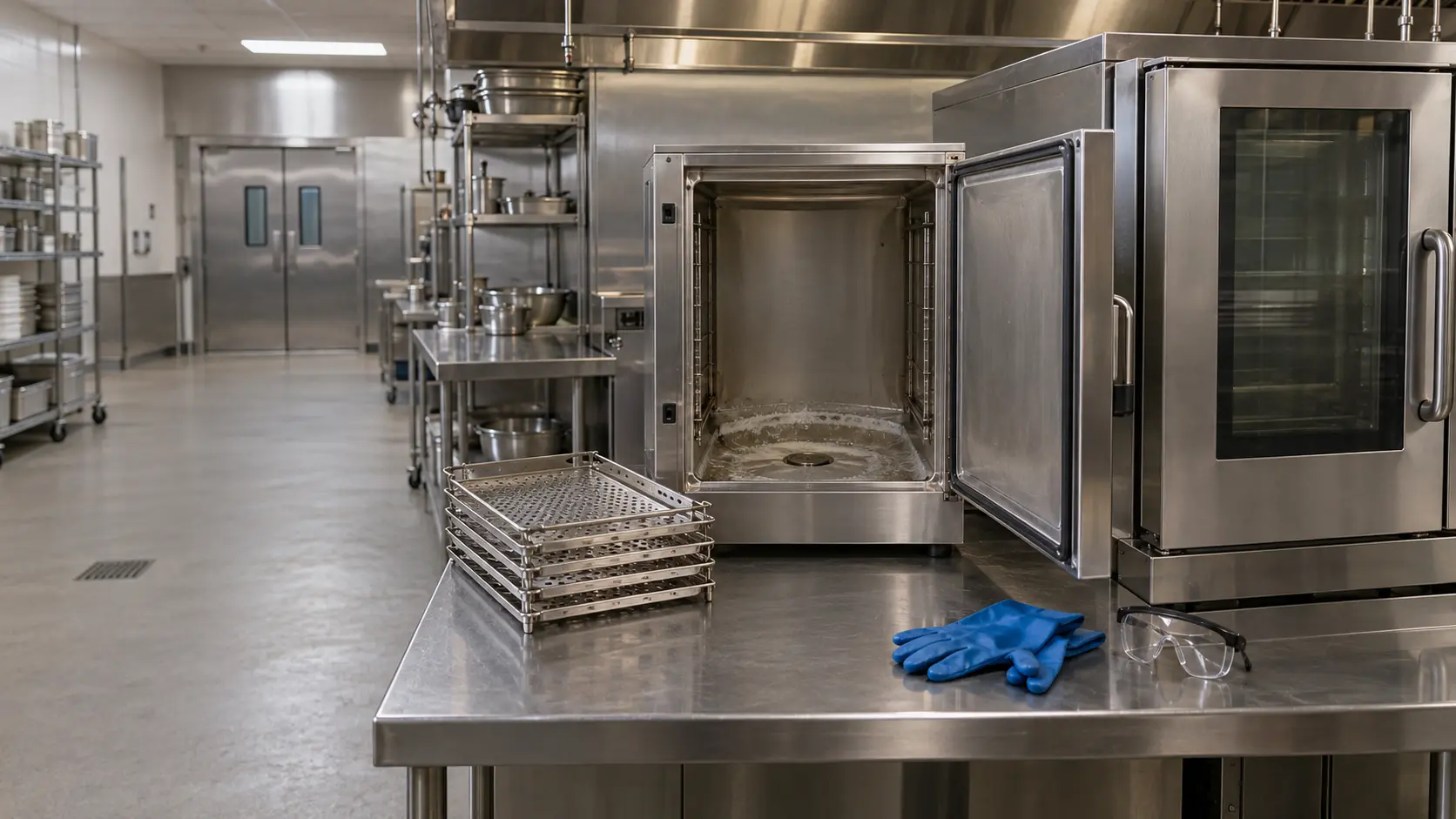
Deliming steamers and combi ovens removes the mineral scale that boiling leaves on elements, probes and drains.
When reading
is not enough.
If the checks in these guides did not settle it, the visit picks up from there, stop by stop.
What repairs cost- 01Safety and supply before anything else
- 02The cause, and what it costs
- 03Parts that ride along
- 04Proved under load before we leave
The problems
these answer.
Each has a page of its own, with the causes in the order worth checking.
All 17 problems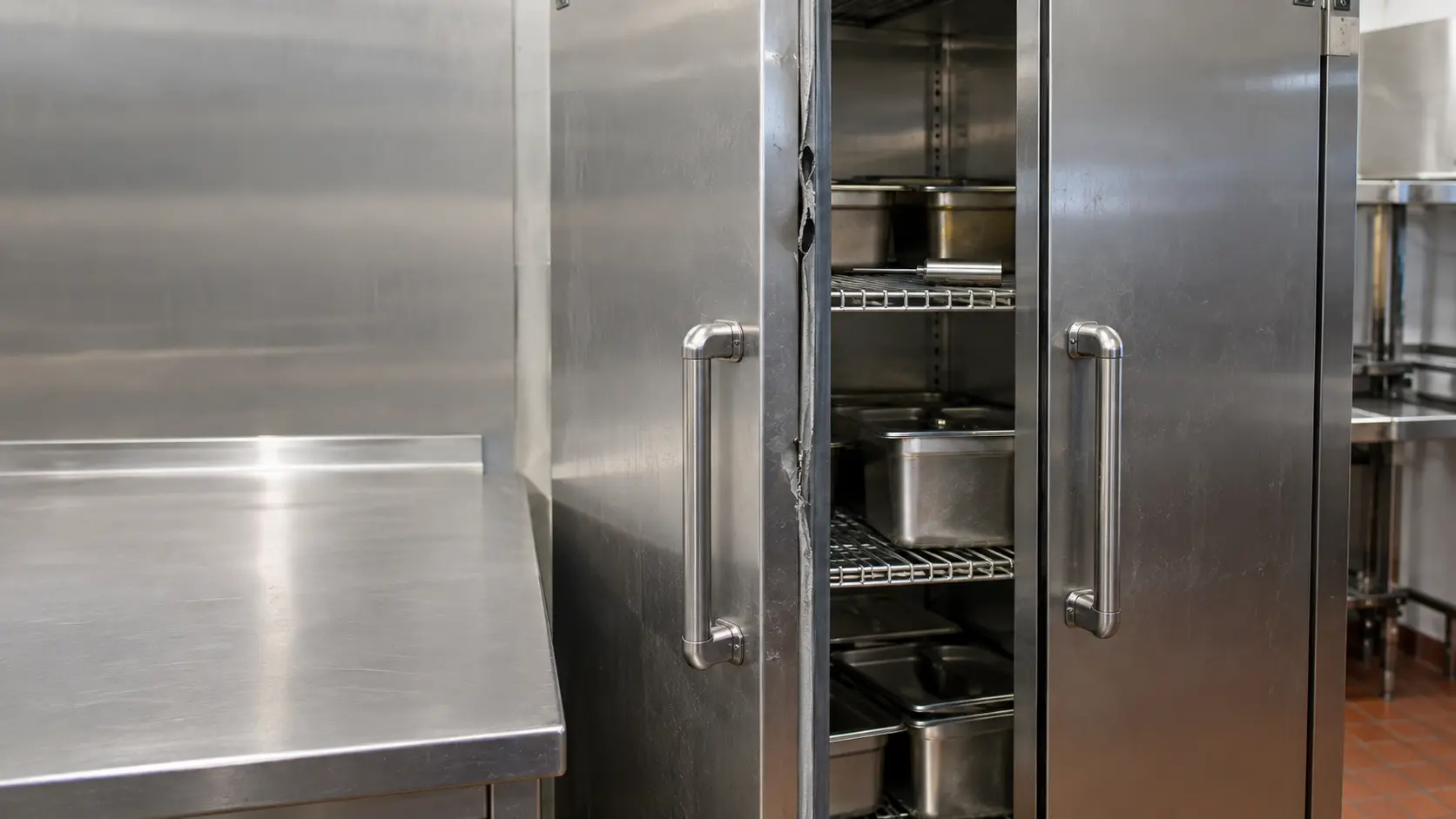
Reach-In Cooler Not Holding Temperature Through a Shift
6 causes, cheapest first
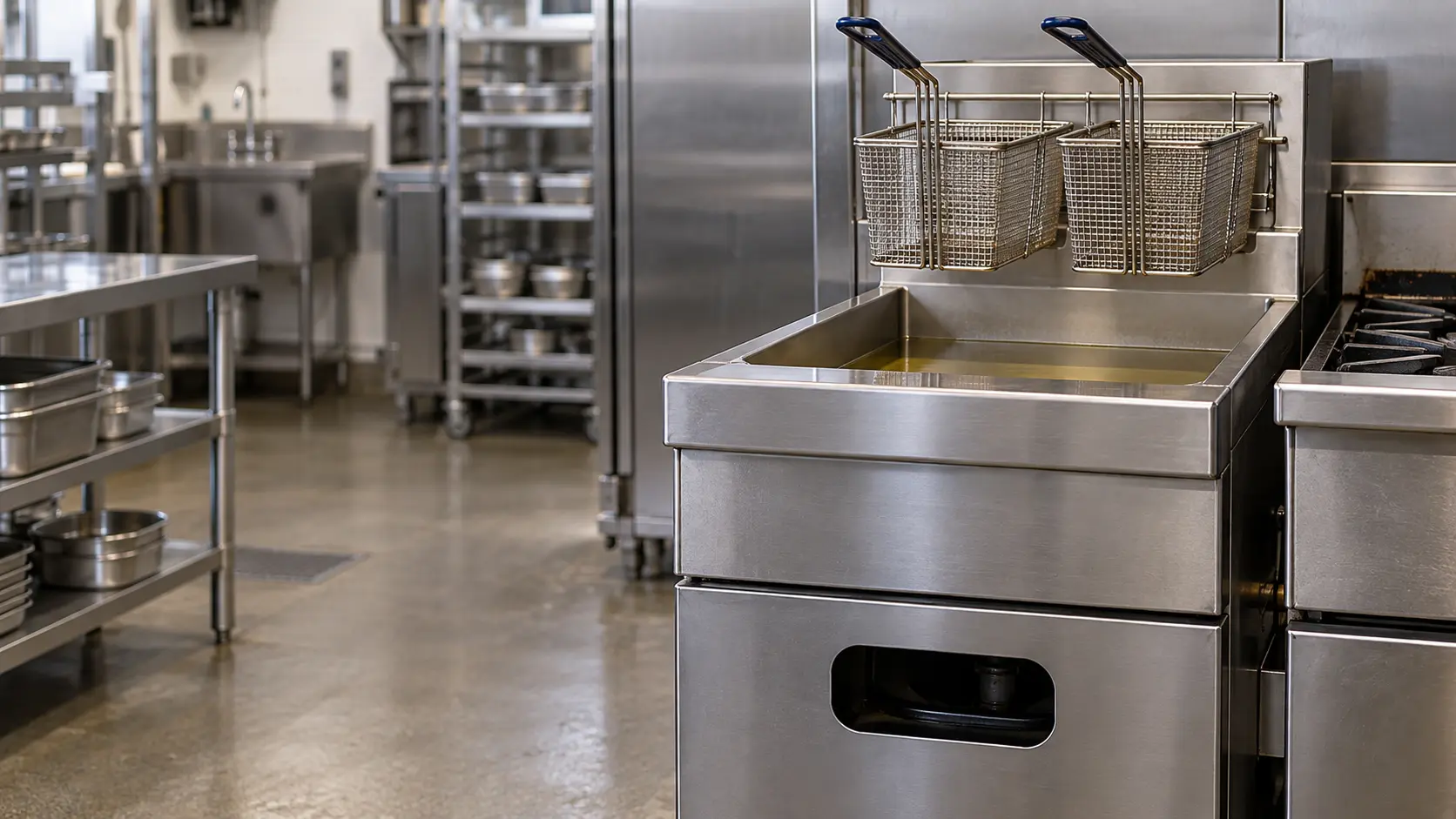
Commercial Fryer Not Heating or Slow to Recover Between Baskets
6 causes, cheapest first

Combi Oven Steam Problem: Weak Steam, Scale or a Dry Cavity
6 causes, cheapest first

Commercial Laundry Tumbler Not Heating: Loads Still Damp After a Full Cycle
6 causes, cheapest first

Questions about
maintenance and prevention.
Who should own the maintenance plan in a restaurant?
Will regular maintenance void anything if the crew does it?
What records does a health inspector usually want to see?
Can a technician set up the plan for us?
The other
sections.
Split by what you are trying to find out rather than by which part of the appliance it concerns.
All guides
Common problems

Troubleshooting
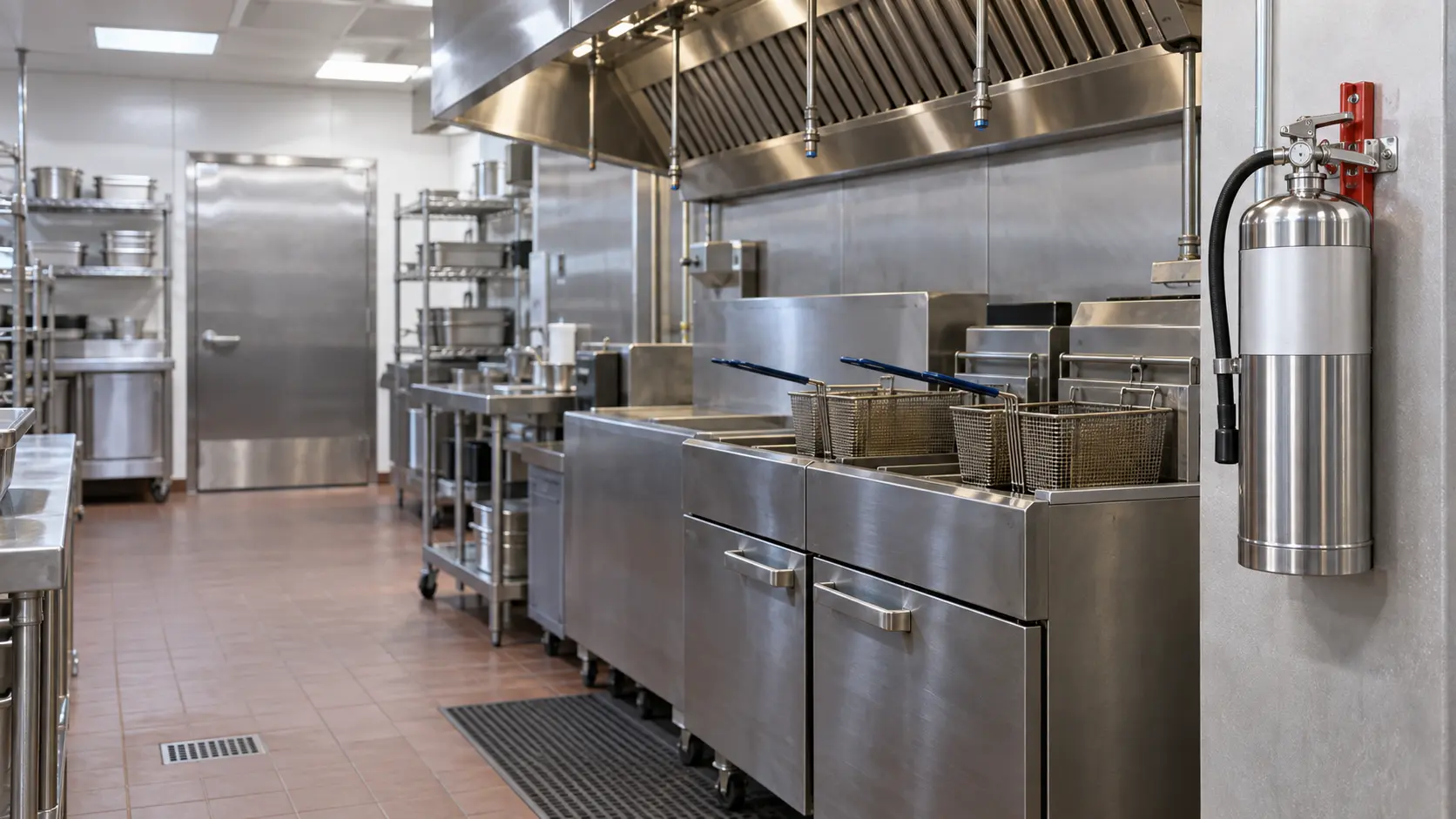
Gas, fire and food safety
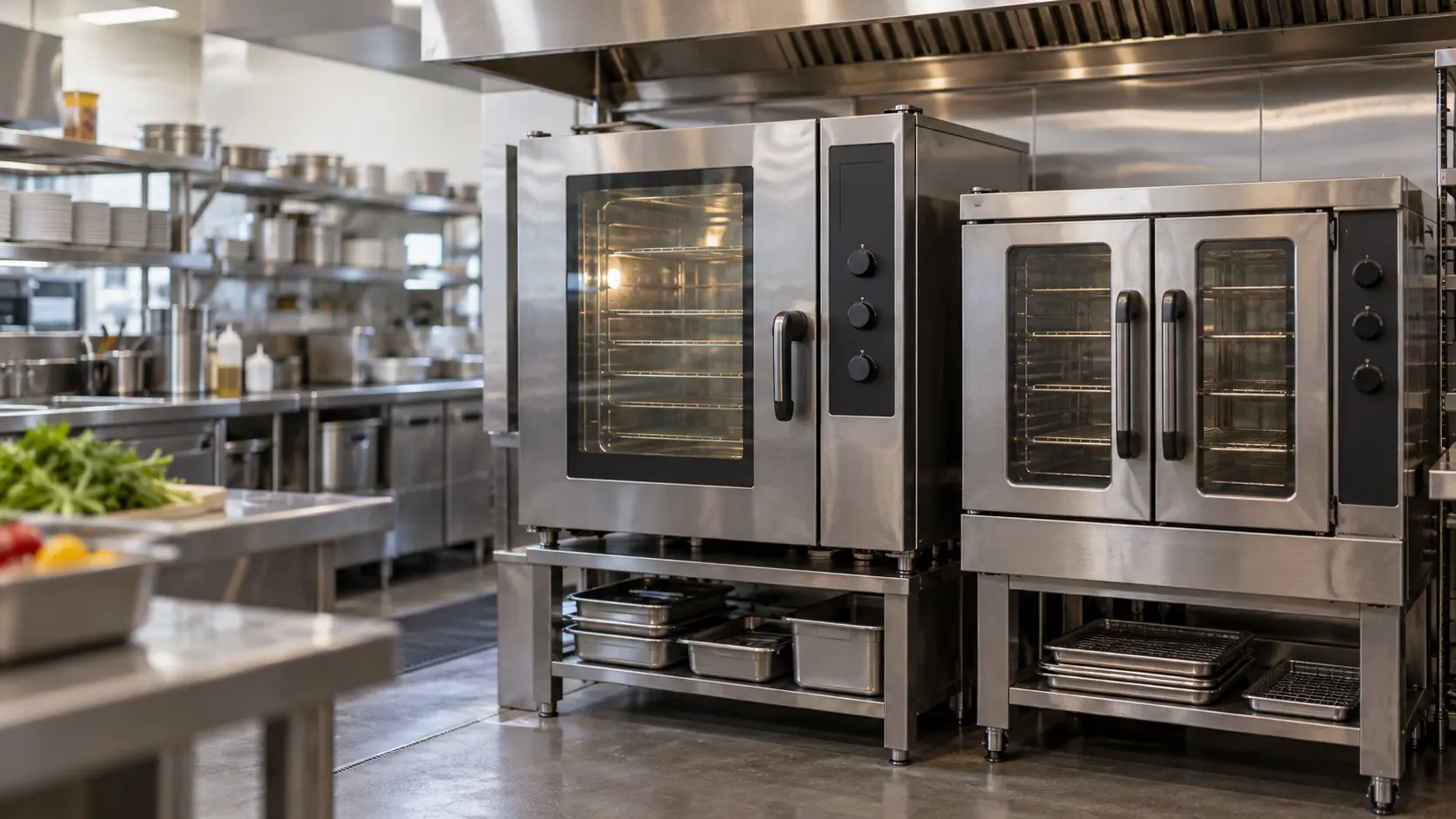
Choosing and comparing
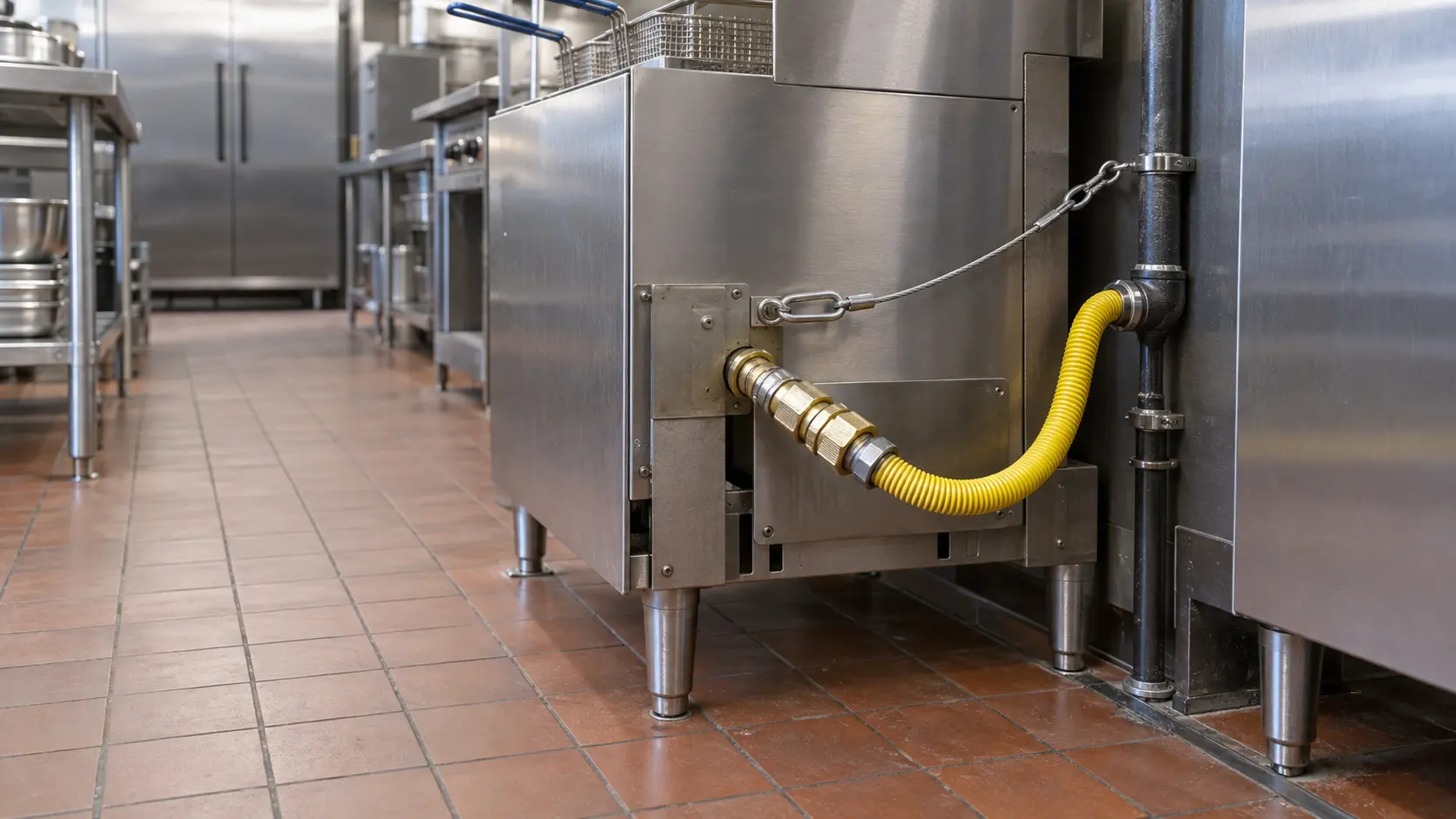
Installation and setup
Start from your question
The four questions most visits start with, each with the guide that answers it.
18 guidesWhere to start Where to startBack to your everyday
Let’s get your commercial appliance working again.
Three short steps online, or one call. Tell us what you are seeing and pick a window that works.