
Clearances, utilities, drains and airflow
Installation and setup
guides.
Air around a condensing unit, the gas, the voltage and the phase a unit was built for, water treatment and drains for dish machines and combis, and the hood and clearances a cooking line needs.
Mon–Sat, 8am–8pm
- Three guides
- Read before you book
- Says where to stop
Book a visit
Three short steps, about a minute.
or call (844) 571-4566
Loading appointment form…
The appointment form couldn’t load. Please try again.
Installation and setup,
guide by guide.
Plenty of the repair calls a business makes were set up on the day the equipment arrived. A gas fryer rolled into place without its restraint, a condensing unit squeezed into a roof corner behind a screen wall, a row of tumblers joined into a duct too long for the blower: each works on the first day and wears out early after that.
All 18 guides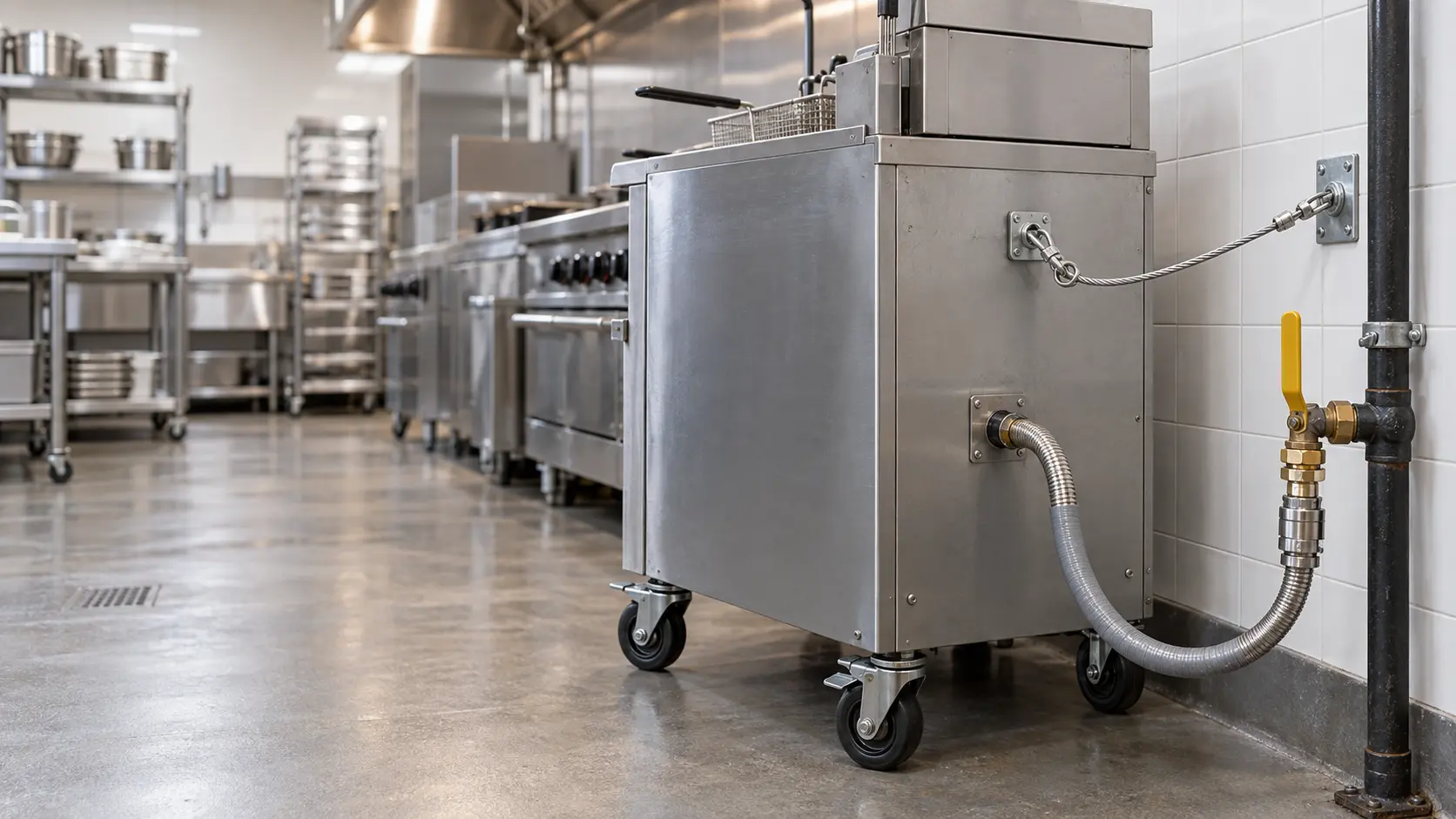
Clearances, utilities, drains and airflow.
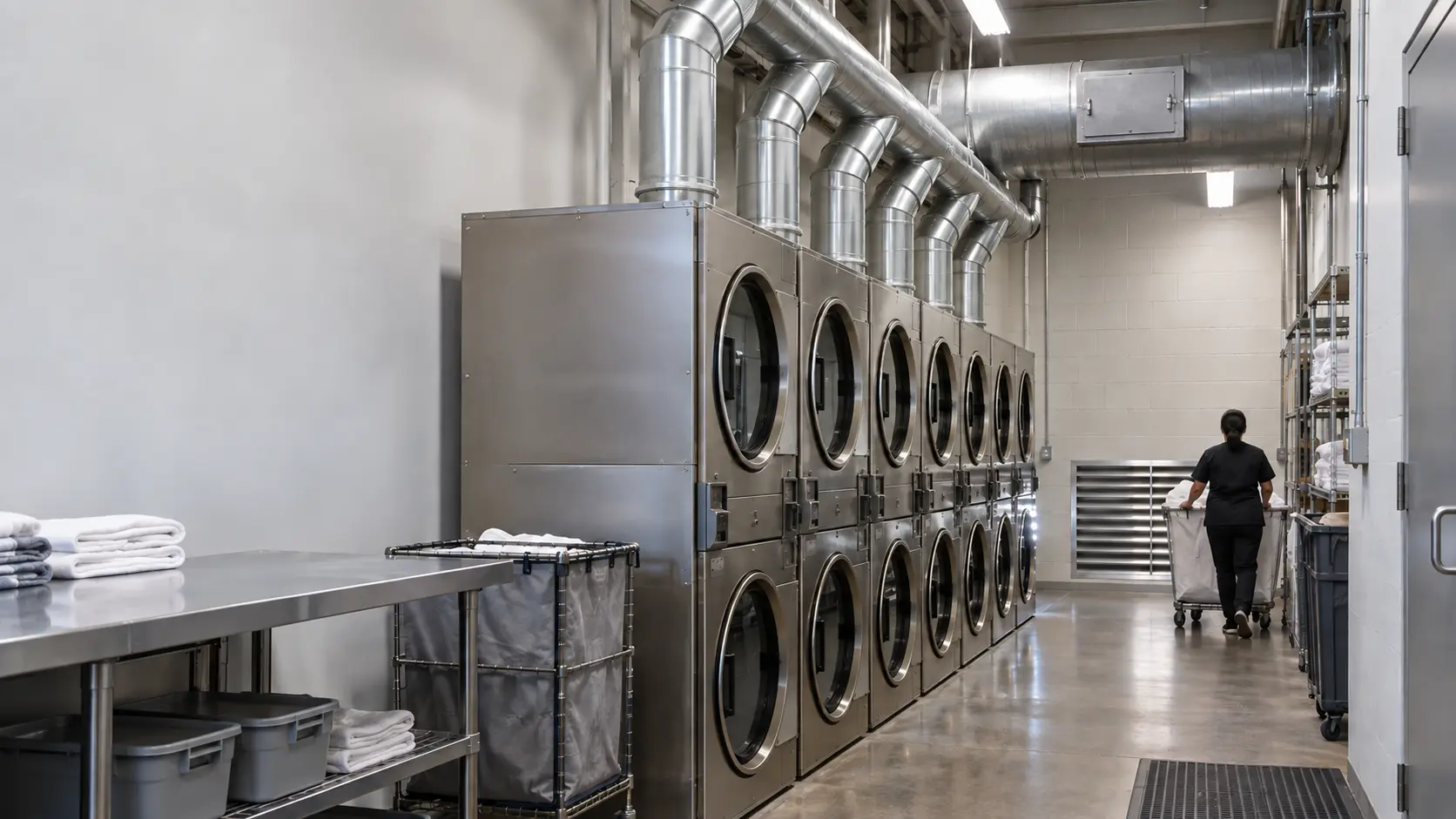
The guides in this section follow the makers' installation manuals, since those are the documents the installer and the inspector work from. They cover gas connections and quick-disconnects on caster-mounted cooking equipment, space and airflow around rooftop condensing units, and exhaust and makeup air for commercial laundry.
They are written for the owner or manager who signs off on the work rather than the person holding the wrench. Each one says what the manual requires, what a finished installation should look like on a walk-through, and which trade takes over: the installer for gas and ducts, an electrician for power, a structural engineer for a loaded roof, a fire-protection contractor under the hood, and a technician holding the EPA's Section 608 credential for any work that opens refrigerant piping.
Read the relevant guide before new equipment is ordered, before the line is rearranged and before a contractor sets anything on the roof or cuts a wall. Changing a location on paper costs nothing; moving it after start-up usually means the same trades a second time.
Not sure where to start?The short answerGas quick-disconnects, hoses and restraint cables on caster-mounted cooking equipment
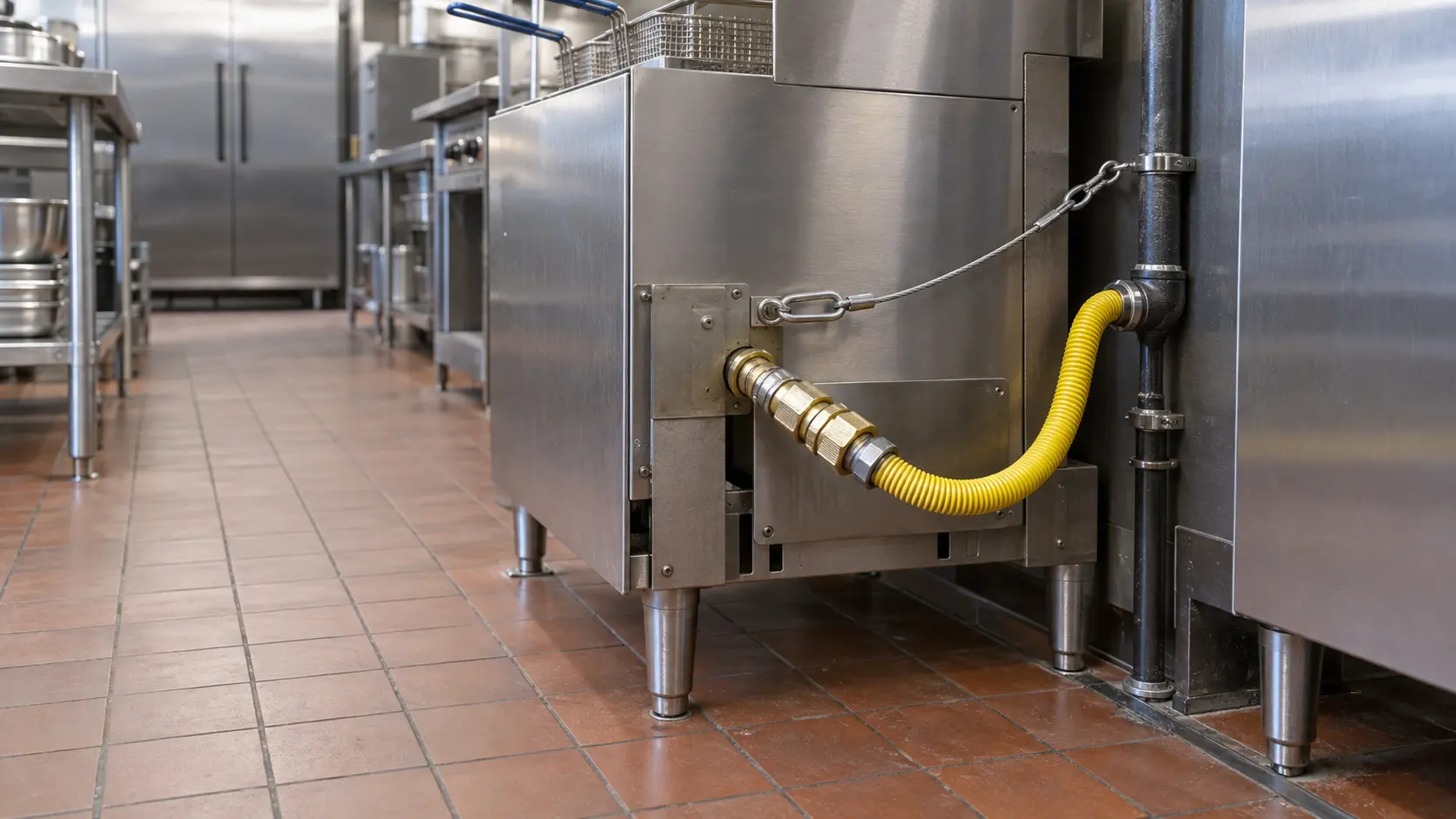
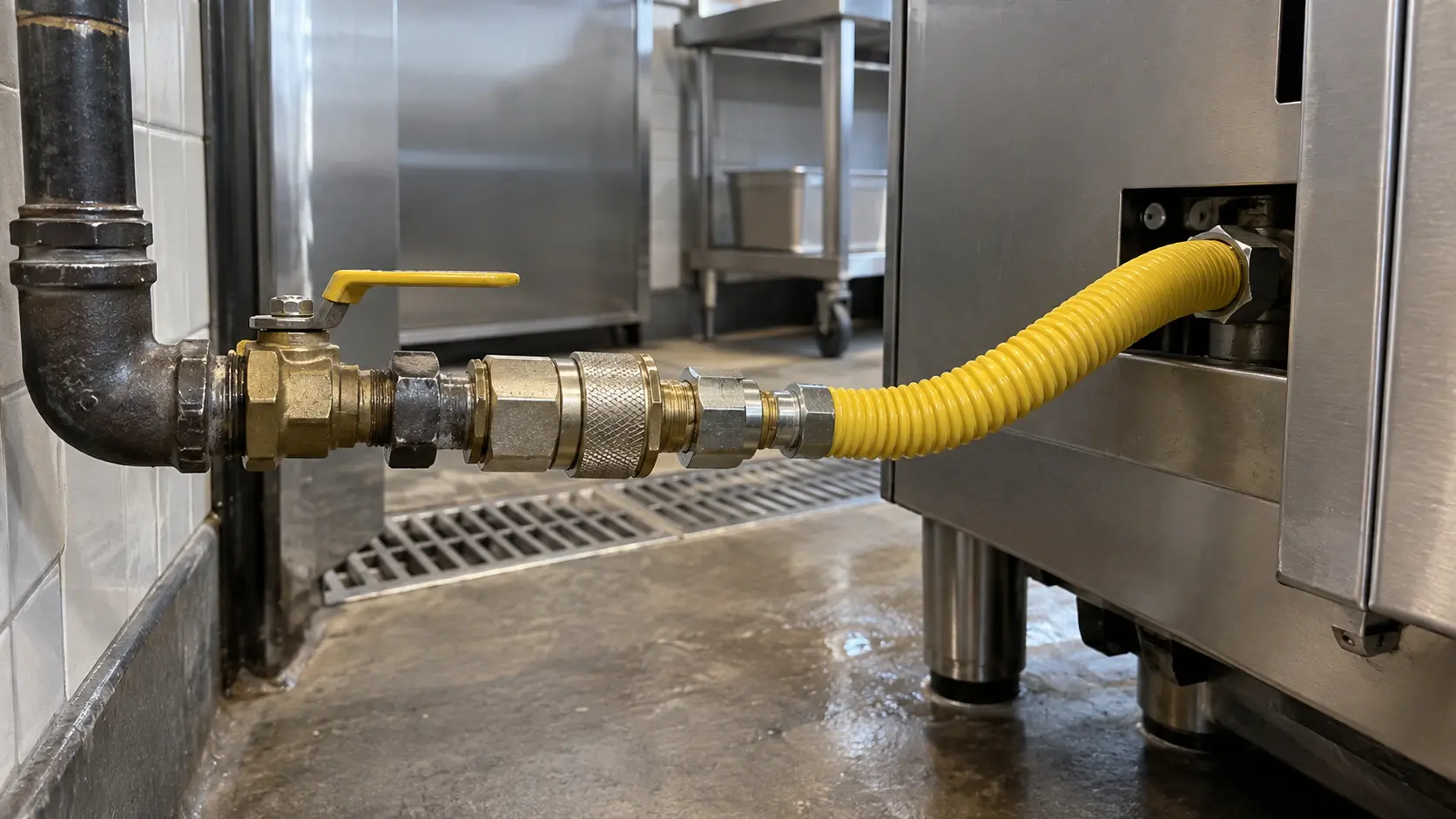
A gas quick-disconnect lets a fryer, griddle or oven on casters roll out for cleaning.
The short answerSpace and airflow around rooftop condensing units: widths, pits, screen walls and exhaust fans
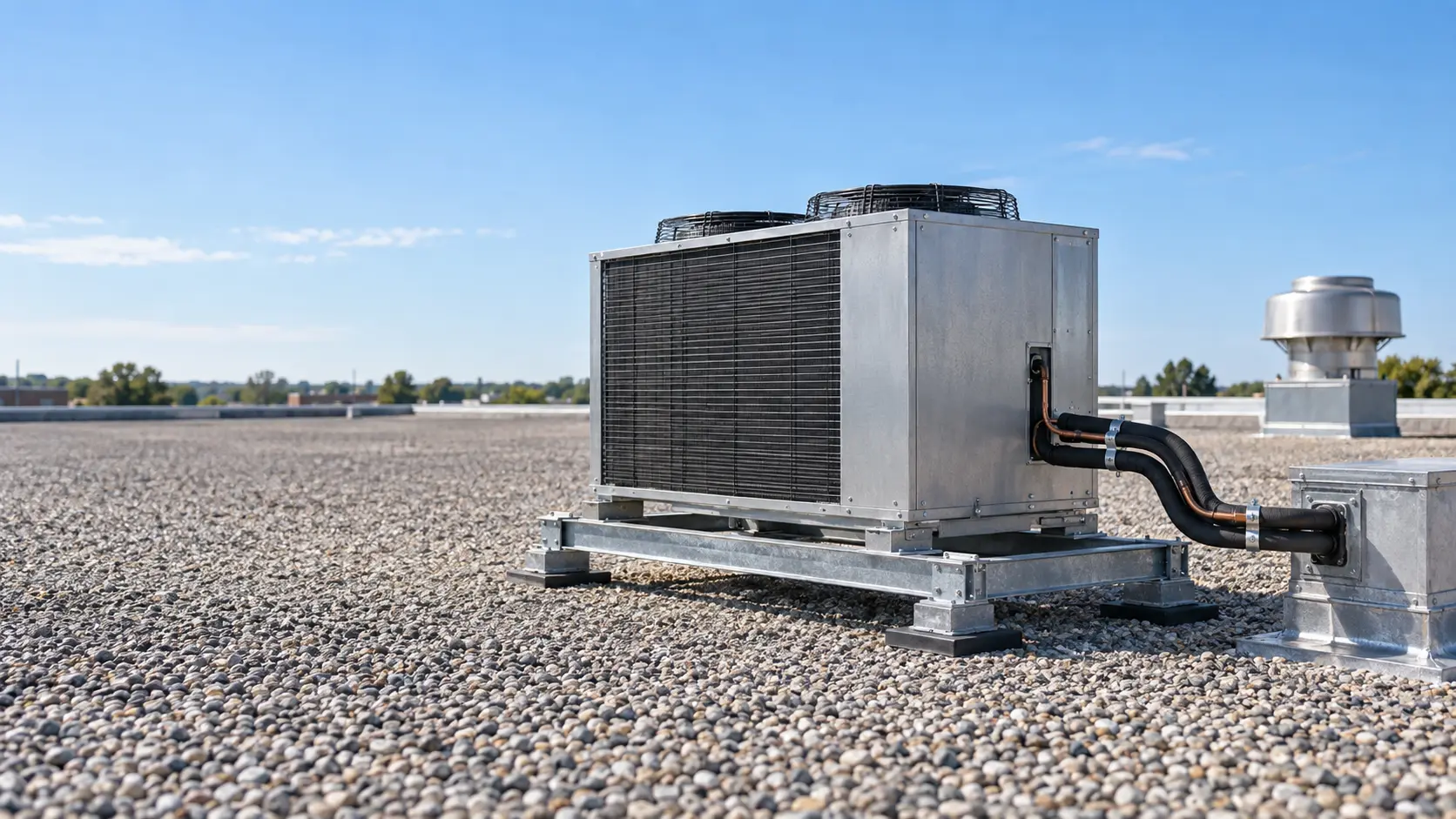
Rooftop condensing unit clearance comes from the maker's manual.
The short answerLaundry venting and makeup air for tumblers: duct runs, shared mains and the lint schedule
Commercial dryer venting follows the maker's installation manual: smooth metal duct of the stated diameter run outdoors, as short as the manual allows, joints lapped in the direction of flow, no screen on the outlet, and makeup air openings sized for every tumbler in the room.
When reading
is not enough.
If the checks in these guides did not settle it, the visit picks up from there, stop by stop.
What repairs cost- 01Safety and supply before anything else
- 02The cause, and what it costs
- 03Parts that ride along
- 04Proved under load before we leave
The problems
these answer.
Each has a page of its own, with the causes in the order worth checking.
All 17 problems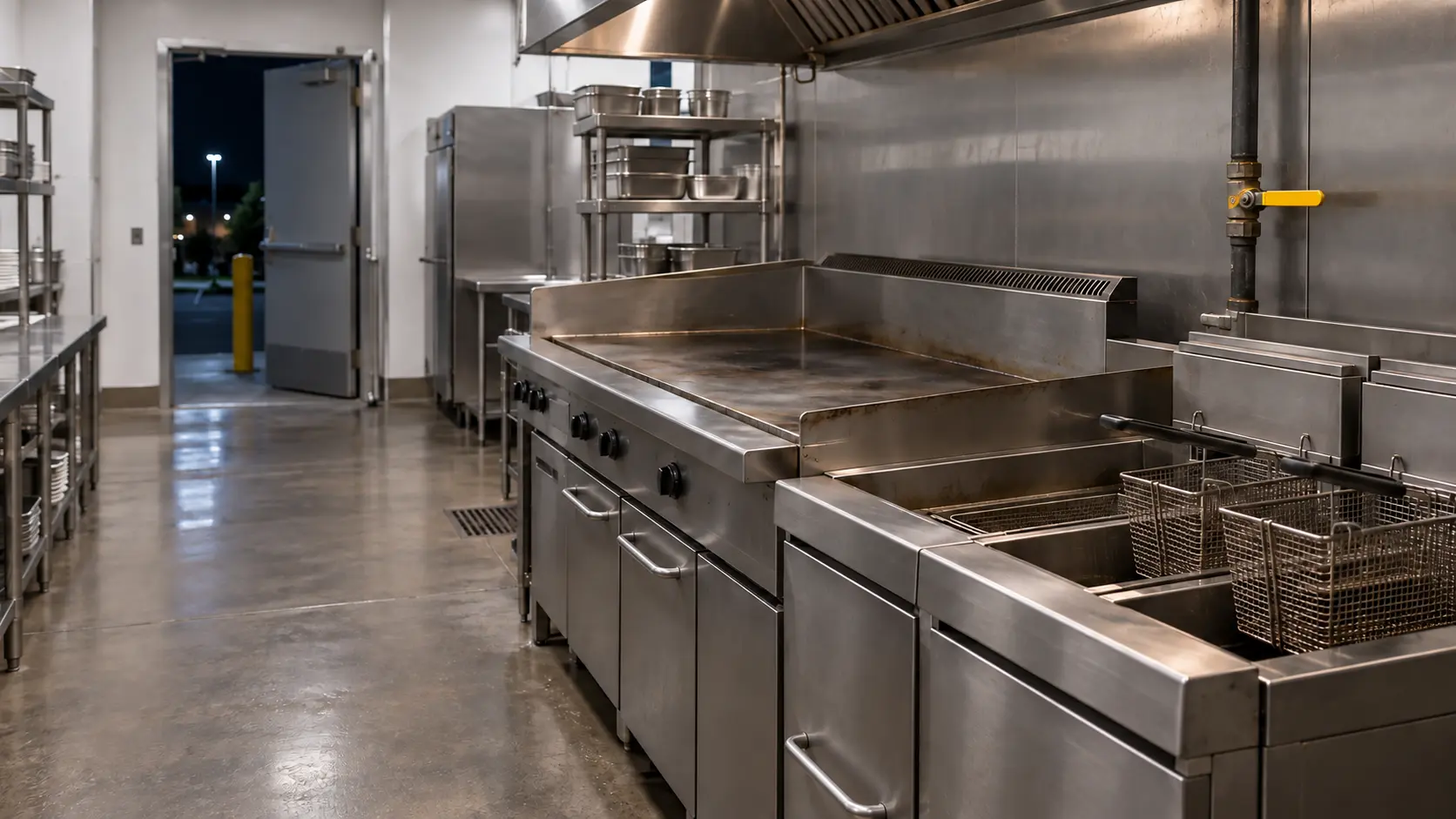
Commercial Kitchen Gas Smell Along the Cooking Line: Clear the Room First
6 causes, cheapest first
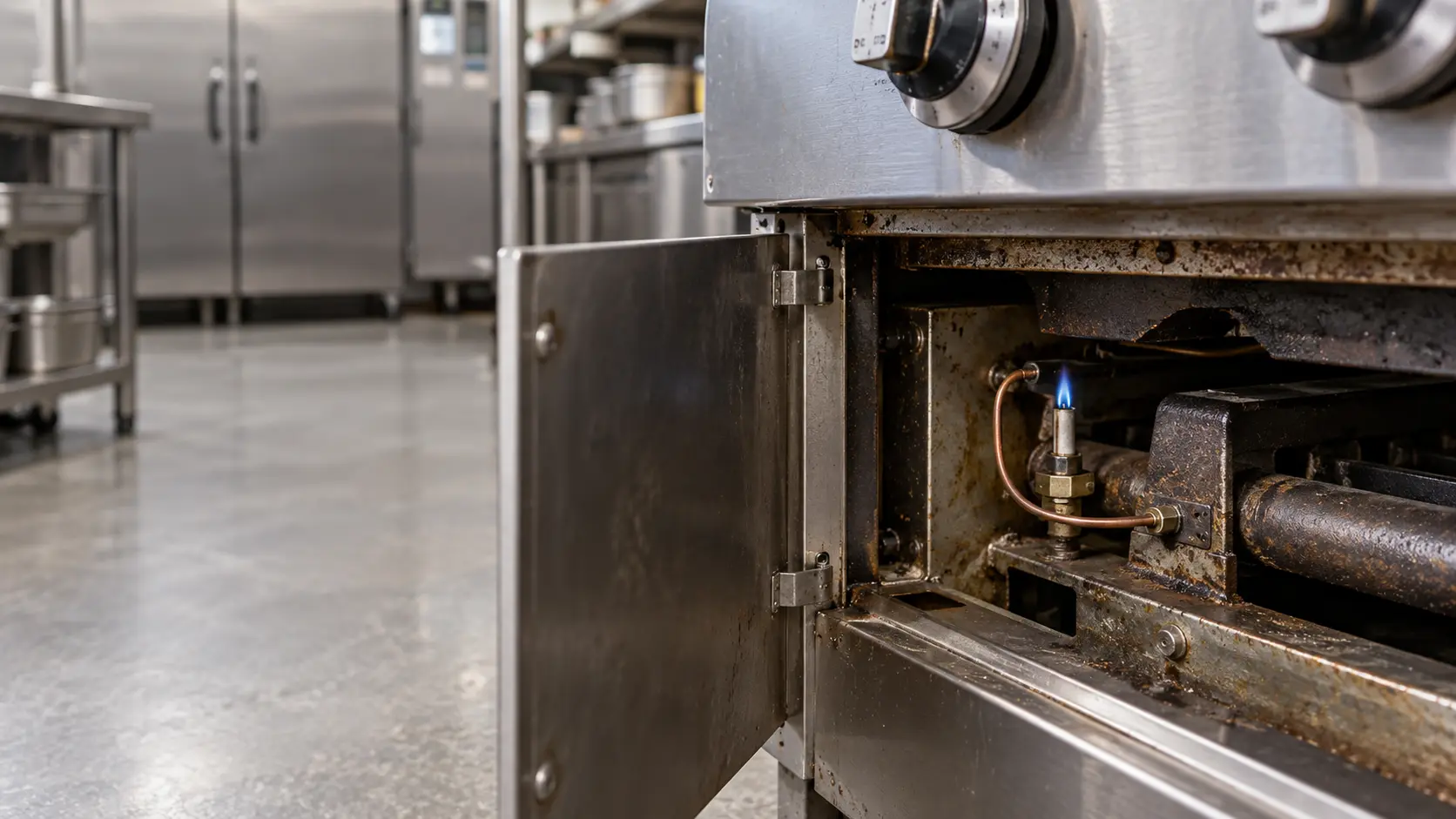
Pilot Won't Stay Lit on a Fryer, Griddle or Steamer on the Line
6 causes, cheapest first
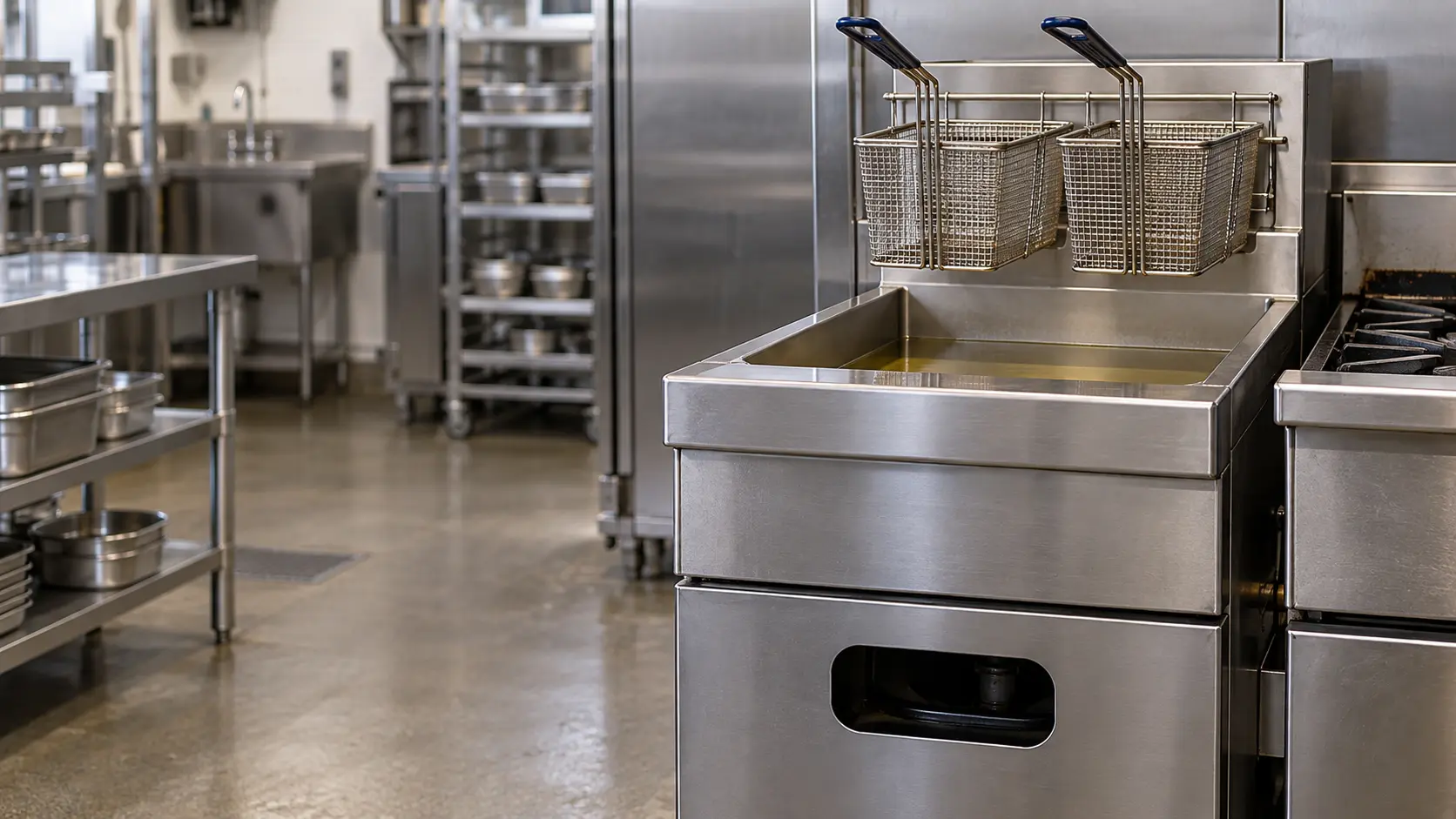
Commercial Fryer Not Heating or Slow to Recover Between Baskets
6 causes, cheapest first
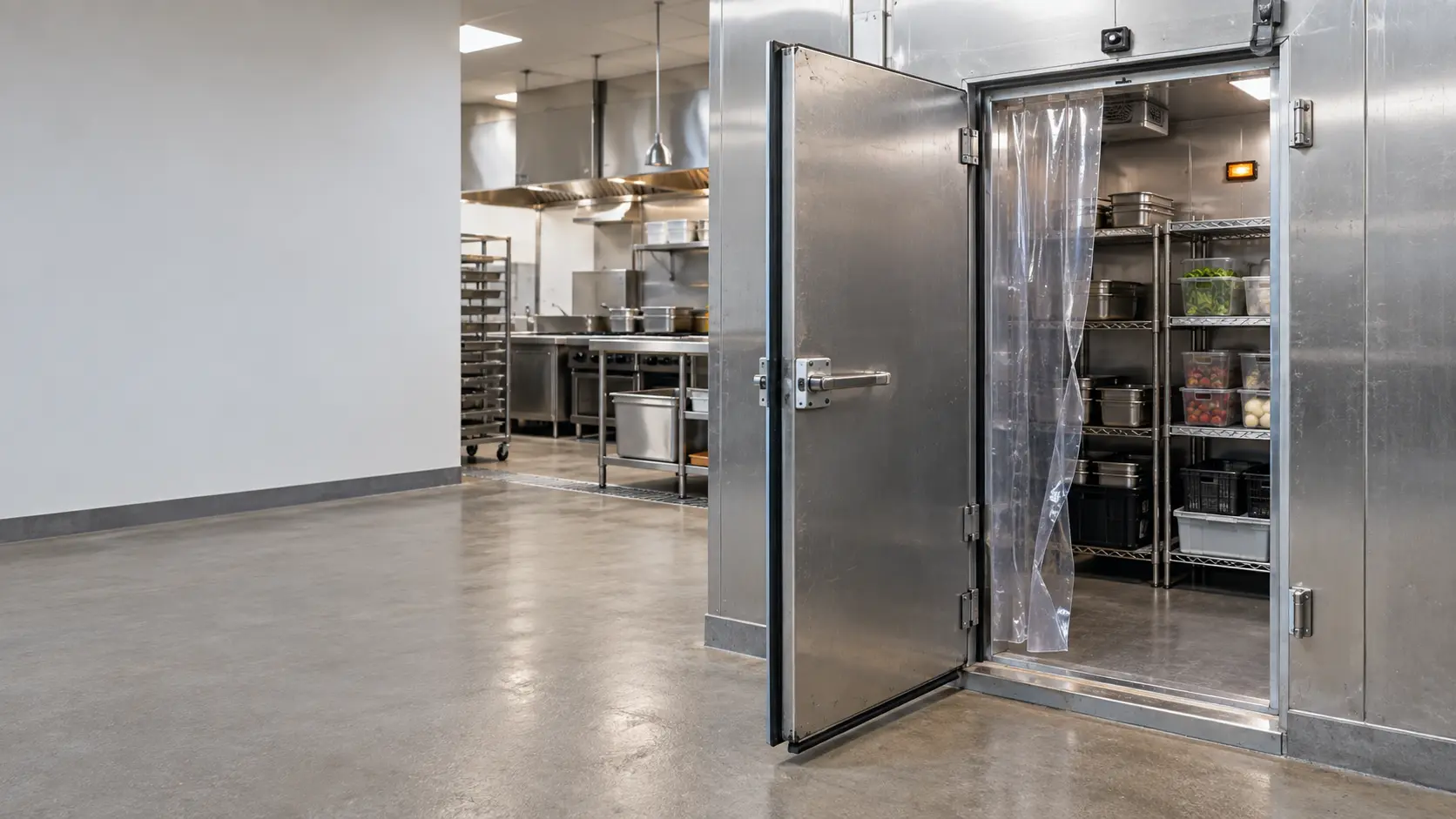
Walk-In Cooler Warm Above 41°F With Food Inside
6 causes, cheapest first

Questions about
installation and setup.
Who is responsible for following the maker's installation manual?
Can the crew move caster-mounted cooking equipment for cleaning?
Does it matter where a rooftop condensing unit goes if it fits?
Why does a commercial laundry need openings to the outside?
The other
sections.
Split by what you are trying to find out rather than by which part of the appliance it concerns.
All guides
Common problems

Troubleshooting

Maintenance and prevention
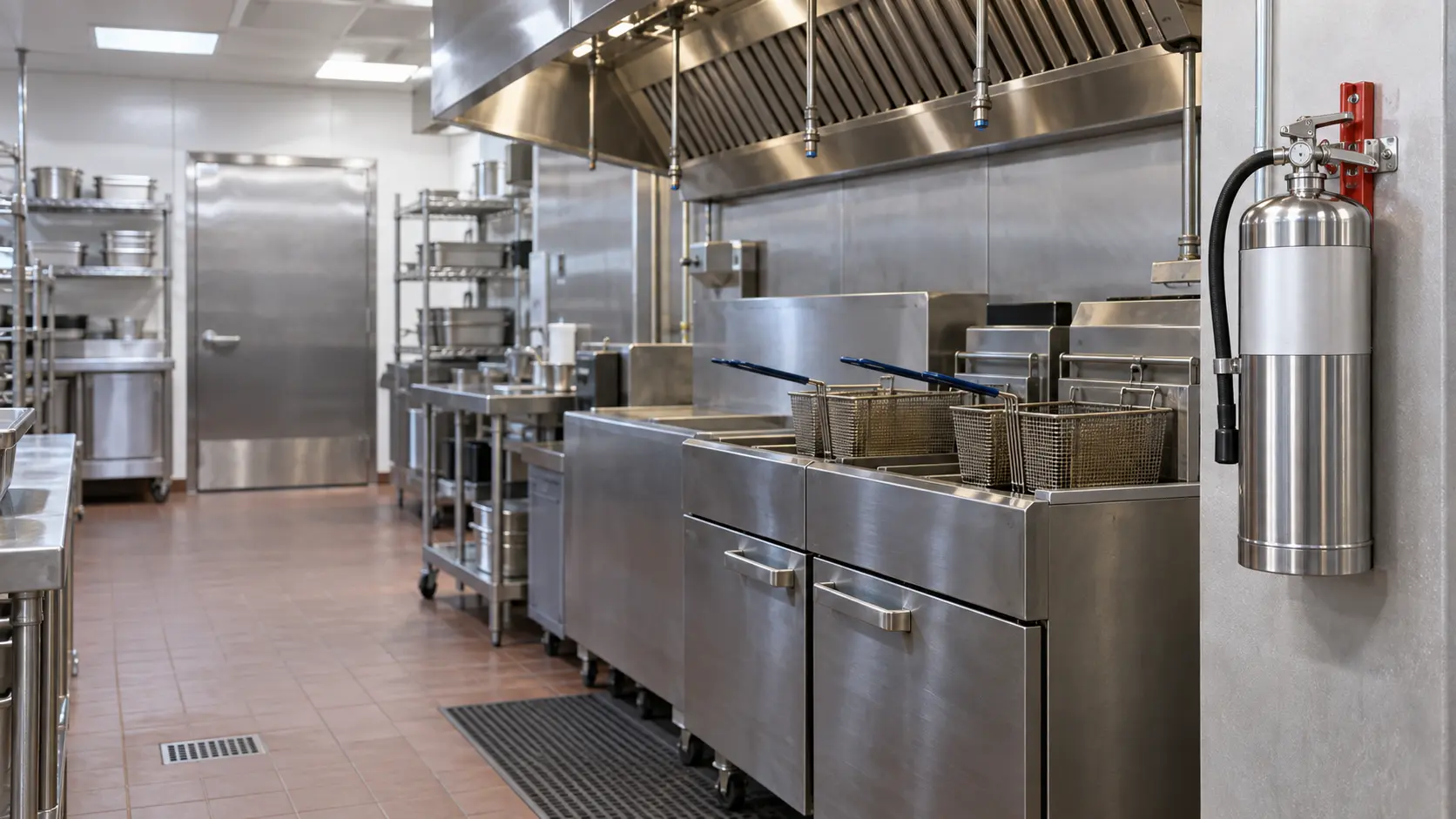
Gas, fire and food safety
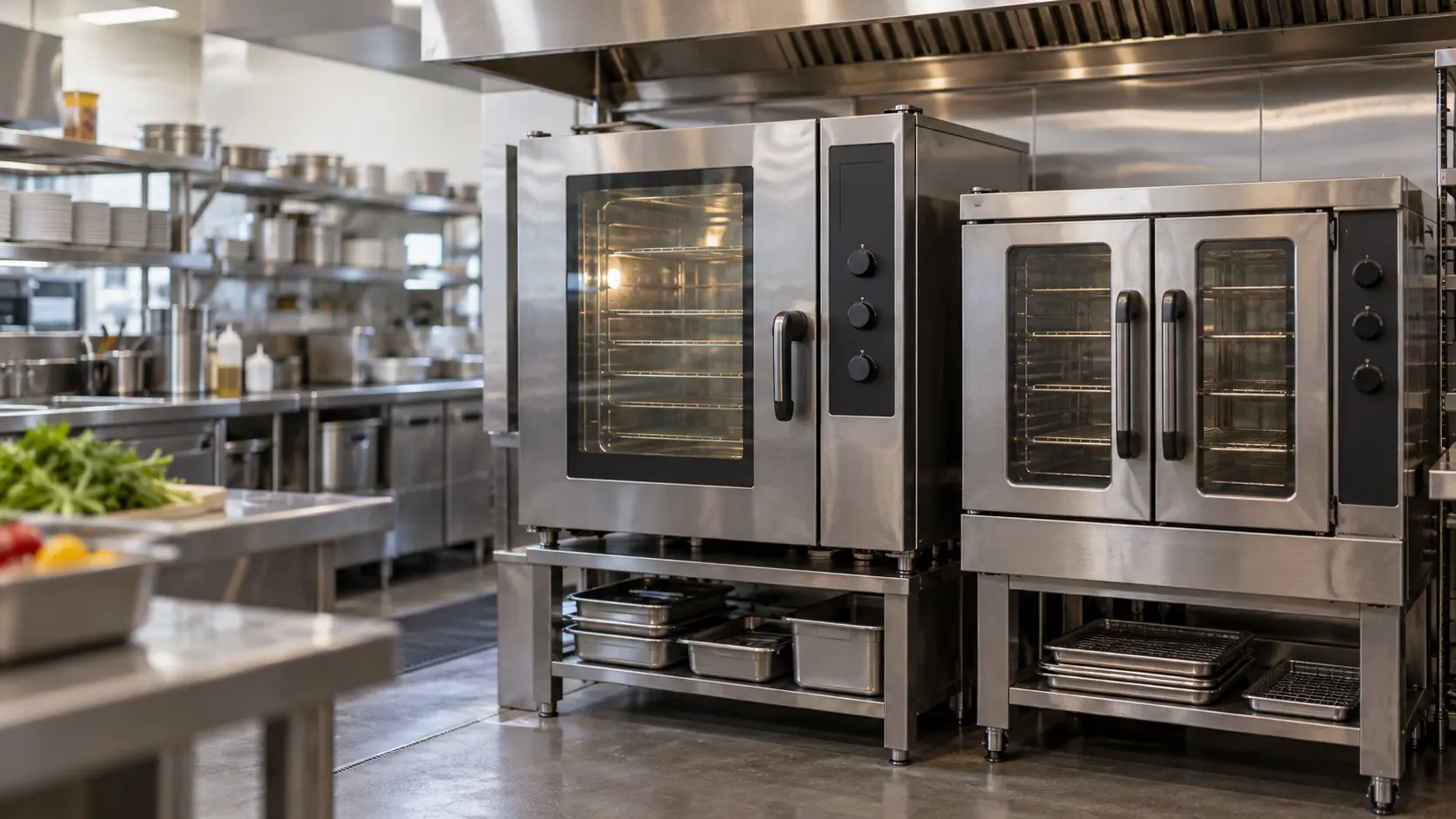
Choosing and comparing
Start from your question
The four questions most visits start with, each with the guide that answers it.
18 guidesWhere to start Where to startBack to your everyday
Let’s get your commercial appliance working again.
Three short steps online, or one call. Tell us what you are seeing and pick a window that works.